Bladder Support vs. Prostate Marketing: What Urovance's Own Label Says (and Doesn't)
Quick Answer: Bladder Support or Prostate Support?
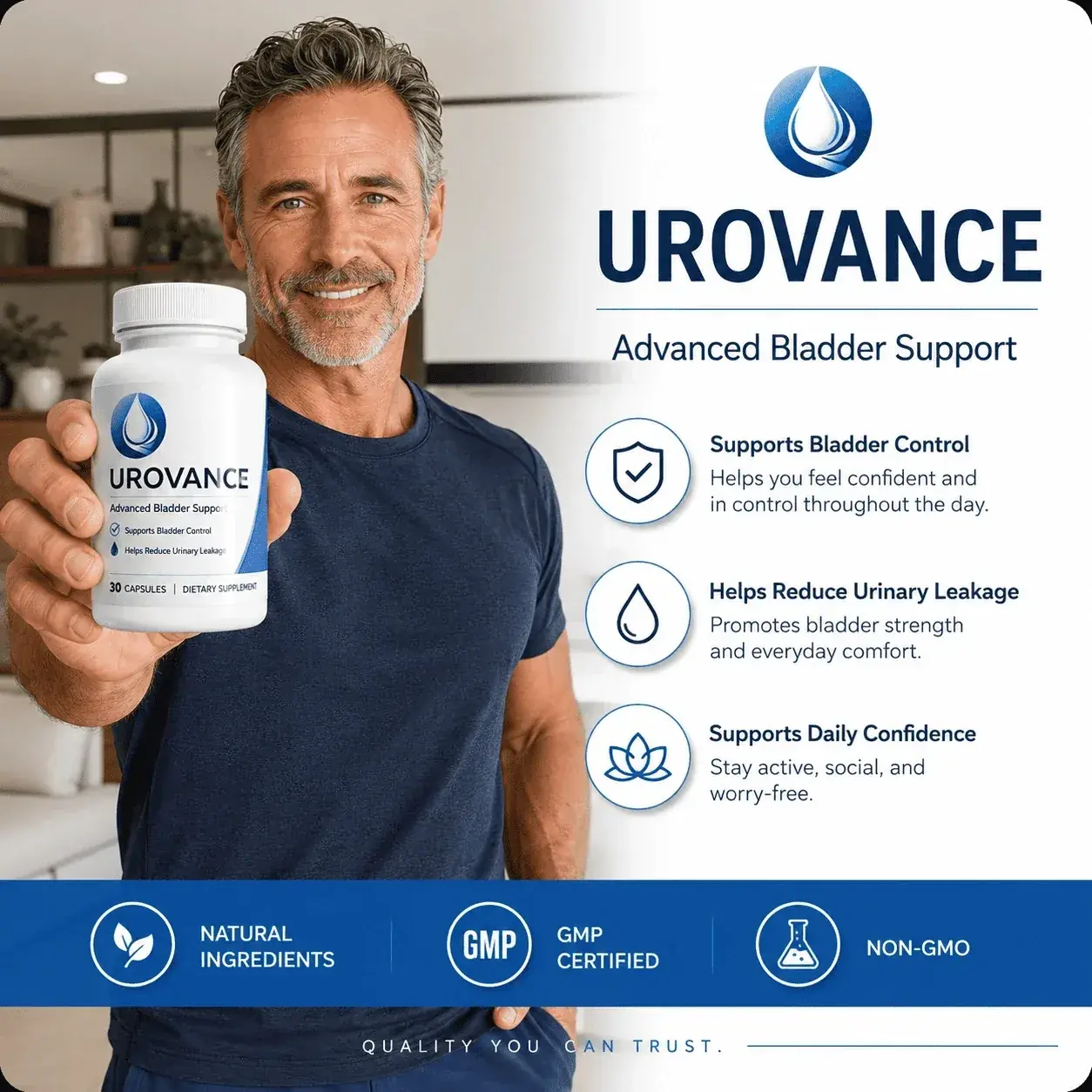
The front-of-bottle wording actually printed on the Urovance label is bladder-focused: "Advanced Bladder Support," "Supports Bladder Control," and "Helps Reduce Urinary Leakage," each carrying the required asterisk. The word "prostate" is not part of that printed front-panel language. Separately, marketing graphics used to promote the product describe it as supporting prostate health, and at least one independent-style review site lists a different ingredient set entirely, including Cranberry Extract and D-Mannose, neither of which appears on the printed Supplement Facts panel. This article compares all three sources side by side against the one that legally has to be accurate: the label itself.
- Label front: bladder-support wording only, no printed prostate claim.
- Marketing graphic: adds prostate-health language plus Cranberry and Bioperine, neither on the panel.
- Third-party review site: lists ingredients (D-Mannose, Hibiscus, Marshmallow Root) absent from the label.
Three sources, three different pictures
Anyone researching Urovance before buying will run into three distinct sources of information, and they do not agree with each other. There is the product's own printed label — the Supplement Facts panel and its front-of-bottle claims, which is the one document legally required to be accurate. There are promotional graphics used across marketing pages, which are advertising and not subject to the same formatting rules as the panel. And there are third-party review sites, which may or may not have ever seen the actual product. This piece works through what each one says, and treats the printed label as the source of record whenever they conflict.
What the label front actually says
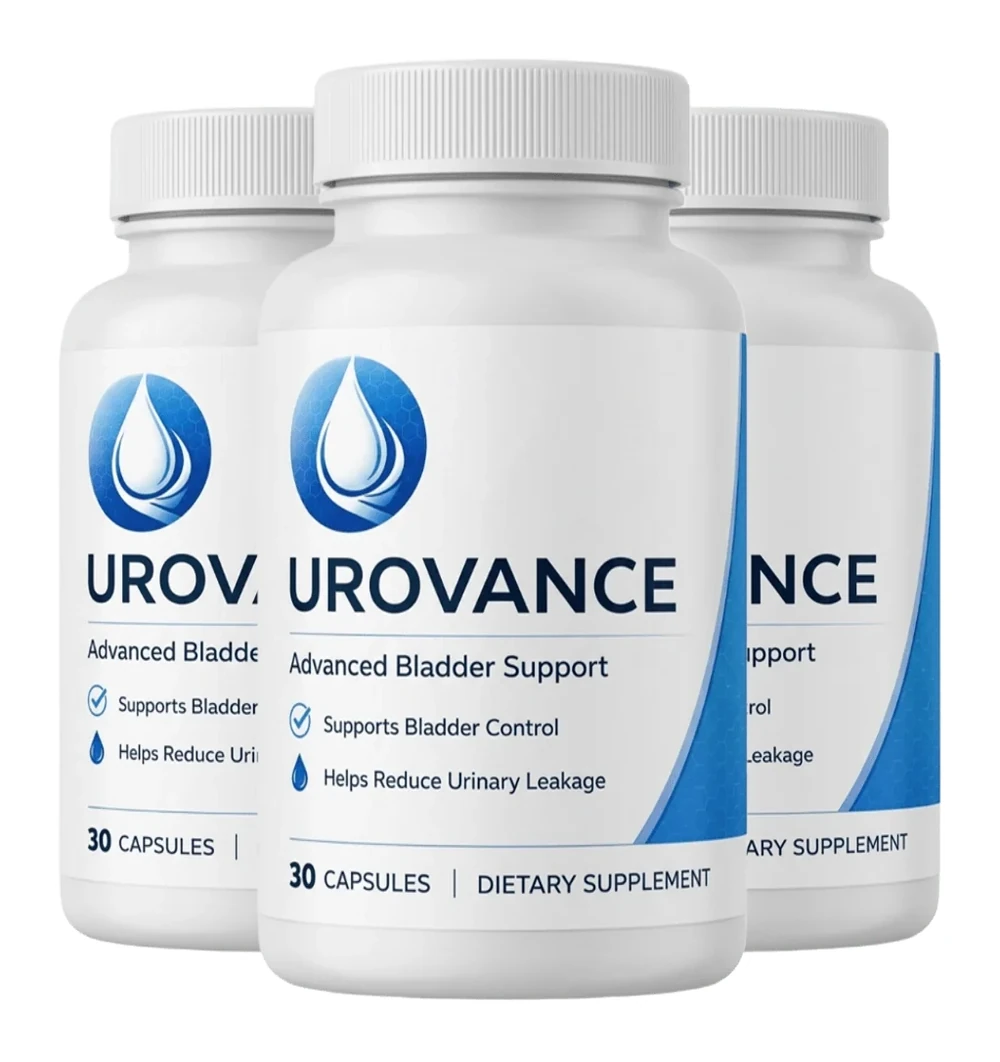
Printed directly on the Urovance bottle, in the space reserved for front-of-pack claims, is this language: "Advanced Bladder Support*," "Supports Bladder Control*," "Helps Reduce Urinary Leakage*." Each carries an asterisk that ties back to the standard supplement disclaimer required by the FDA. These are structure/function claims — a specific, legally defined category that dietary supplement labels are permitted to use without pre-market approval, as long as they describe how an ingredient may affect the structure or function of the body rather than claiming to treat, cure or prevent a disease.
What is notable, and the reason this article exists, is what is not in that printed wording: the word "prostate" does not appear anywhere in Urovance's front-of-bottle claim language. The product is labeled, in its own printed words, as a bladder-support supplement. That is a meaningfully different claim from a prostate-support product, even though the two categories share several ingredients and overlapping customer bases.
What the marketing graphics add
Separate from the printed bottle, promotional graphics used to advertise Urovance make broader claims than the label itself. One such graphic states: "Supports bladder control," "Reduces urinary leakage," "Promotes prostate health," "Improves comfort & confidence," and "Advanced support for men over 40." That same graphic lists "premium natural ingredients" as: Pumpkin Seed Extract, Saw Palmetto Extract, Cranberry Extract, Nettle Leaf Extract, and Bioperine (black pepper extract).
Compare that ingredient list against the actual printed Supplement Facts panel. Pumpkin (as Pumpkin Seed), Saw Palmetto (Berries) and Stinging Nettle (Leaf) are genuinely on the label, inside the 400 mg Proprietary Blend. Cranberry Extract and Bioperine are not. Neither name appears anywhere on the printed panel — not among the four dosed nutrients, not among the 17 blend ingredients. This is a direct, checkable conflict between a promotional graphic and the product's own label, and per the conservative approach this site takes, the printed panel is the source that governs: we do not list Cranberry or Bioperine as confirmed Urovance ingredients, because the document that has to be accurate does not include them.
It's also worth being precise about the "promotes prostate health" line on that graphic. That is marketing copy on an advertising asset, not language from the Supplement Facts panel or the label's own front-of-bottle claims, which as covered above are worded around bladder support specifically.
Read the label claims for yourself
Before you buy, compare the front-of-bottle wording against any marketing graphic you've seen — the panel is the part that has to be accurate.
Order UrovanceWhat a third-party review site says, and where it conflicts
Independent web research turns up at least one review-style site that lists a substantially different ingredient set for Urovance: D-Mannose, Cranberry Extract, Hibiscus, Uva Ursi and Marshmallow Root, with no amounts given. Compared against the printed label, that list has exactly one point of overlap — Uva Ursi — and includes three names (D-Mannose, Hibiscus, Marshmallow Root) that do not appear anywhere on the actual Supplement Facts panel, while omitting most of what the panel does list, including the four dosed micronutrients and thirteen of the seventeen blend botanicals. The same site describes the product as manufactured by "Urovance Labs, USA" in a GMP-certified, FDA-registered facility — a claim we could not independently verify from any source.
This kind of mismatch is a known pattern with affiliate and template-generated supplement review content, where an article is built from a generic category template rather than the actual product it names. It is exactly why this article, and the rest of this site's ingredient coverage, is built from the printed label and the seller's own sales page rather than from secondary review sites. A separate independent source raised a different concern — that it could find no supplement facts or ingredient information for Urovance online at all, and that the brand's root domain returned an error page. Our own research confirms the root domain issue but also found that the seller's actual sales funnel page does carry the label image with a full, legible Supplement Facts panel; the claim that no label information exists anywhere is simply not accurate, even though the broader point about limited independent verification is fair.
What none of the three sources can settle
Even after sorting the label from the marketing from the third-party claims, some open questions remain that no available source resolves: whether Copper is actually present in the formula, given the struck-through line on the panel (covered in full in our label-reading article); the individual amount of any of the 17 blend botanicals; and any independent, third-party testing of the finished product for identity or potency. None of the three sources compared here — label, marketing graphic, or review site — answers those questions, and this article does not pretend otherwise.
Why "bladder support," not "prostate support," is the more defensible claim here
Two of the better-evidenced botanicals in Urovance's blend — Saw Palmetto and Pygeum Africanum — have been studied mainly in the context of benign prostatic hyperplasia and its urinary symptoms, and the research on both is genuinely mixed. A Cochrane systematic review of Serenoa repens (saw palmetto) monotherapy across randomized trials found it did not outperform placebo for urinary symptom scores or flow measures in the pooled analysis[1]. An older Cochrane review of Pygeum africanum found modest symptomatic improvement across a set of smaller, generally short trials, describing the evidence as suggestive rather than definitive[2]. Both bodies of evidence are specifically about prostate-related urinary symptoms in men — which makes it notable that Urovance's own printed front-of-bottle language avoids prostate wording altogether and frames the product around bladder support instead.
On the bladder-support side specifically, two of the blend's other named botanicals have more direct, if still limited, supporting research. A small clinical study found pumpkin seed oil extract improved urinary symptom measures in adults with overactive bladder[3] — though it's worth noting that study used a pumpkin seed oil extract specifically, while Urovance's label simply lists "Pumpkin (Seed)" with no extract type specified, so the match between the studied material and the labeled ingredient is not exact. Stinging nettle's urinary-symptom research is concentrated mainly in root preparations studied alongside saw palmetto for BPH symptoms[4], while Urovance's label specifically lists "Stinging Nettle (Leaf)" — a different plant part than the one most represented in that literature, a distinction worth knowing rather than glossing over.
As for Cranberry, the ingredient the marketing graphic lists but the label does not: cranberry's own research base is specifically about reducing recurrent urinary tract infections, not bladder control or leakage, with a meta-analysis of randomized trials finding a meaningful reduction in UTI recurrence with cranberry products in susceptible populations[5]. That context makes the marketing graphic's inclusion of Cranberry alongside "reduces urinary leakage" language doubly worth scrutinizing: even where cranberry does have supporting research, it's for a different urinary outcome than the one the graphic pairs it with — and, again, it is not actually on Urovance's printed label at all.
Who the label itself says should not take this product
Setting marketing claims aside entirely, the label's own printed warning is unambiguous and deserves to be quoted directly rather than summarized loosely: "Do not exceed recommended dose. Not for use for those under the age of 18 or pregnant or nursing mothers. Consult with a physician prior to use especially if you are taking a medication or have a medical condition." That warning, plus the standard FDA disclaimer printed on the same label — that these statements have not been evaluated by the FDA and the product is not intended to diagnose, treat, cure or prevent any disease — are the two pieces of label text that matter most for anyone deciding whether to try it, regardless of which set of marketing claims brought them to the page.
Urovance is not labeled as, and should not be treated as, a treatment for benign prostatic hyperplasia, prostatitis, or a urinary tract infection. Symptoms like blood in the urine, fever with urinary symptoms, pelvic pain, or a sudden inability to urinate warrant prompt medical evaluation, not a bladder-support supplement of any brand.
Medical note: this article compares publicly available claims about one product against its own printed label; it is not medical advice. If you have urinary symptoms, especially new, severe, or accompanied by pain, fever or blood in the urine, see a physician rather than relying on any supplement's marketing.
Frequently asked questions
Does the Urovance label say it supports the prostate?
No. The printed front-of-bottle language on Urovance reads "Advanced Bladder Support," "Supports Bladder Control," and "Helps Reduce Urinary Leakage," each carrying an asterisk to the standard supplement disclaimer. The word "prostate" does not appear in that printed front-panel wording. Separate marketing graphics used to promote the product do use prostate-related language, which is a marketing claim, not label text.
Are Cranberry Extract and Bioperine in Urovance?
They do not appear on the printed Supplement Facts panel. A marketing graphic used to promote the product lists Cranberry Extract and Bioperine (black pepper extract) among "premium natural ingredients," but neither name is among the four dosed nutrients or the 17 botanicals in the Proprietary Blend as printed on the label itself. That is a direct conflict between the marketing graphic and the panel, and the panel should be treated as the accurate source.
Why do some review sites list different ingredients for Urovance than the label?
At least one third-party review site lists ingredients such as D-Mannose, Hibiscus and Marshmallow Root for Urovance, none of which appear on the printed label, while it omits several ingredients the label does list. This kind of mismatch is common with template or affiliate-generated review content that is not built from the actual product label, and the printed Supplement Facts panel should always be treated as the more reliable source over a third-party summary.
Who should not take Urovance, based on its own label?
The label's own warning states it is not for use by anyone under 18, or by anyone who is pregnant or nursing, and advises consulting a physician before use, especially for anyone taking medication or managing a medical condition. Urovance is a dietary supplement, not a treatment for benign prostatic hyperplasia, prostatitis or a urinary tract infection, and the label carries the standard FDA disclaimer that it is not intended to diagnose, treat, cure or prevent any disease.
Scientific references
- Tacklind J, MacDonald R, Rutks I, et al. — Serenoa repens for benign prostatic hyperplasia, Cochrane Database of Systematic Reviews (2012)
- Wilt T, Ishani A, Mac Donald R — Pygeum africanum for benign prostatic hyperplasia, Cochrane Database of Systematic Reviews (2002)
- Nishimura M, Ohkawara T, Sato H, Takeda H — Pumpkin Seed Oil Extracted From Cucurbita maxima Improves Urinary Disorder in Human Overactive Bladder, Journal of Traditional and Complementary Medicine (2014)
- Koch E — Extracts from fruits of saw palmetto and roots of stinging nettle: viable alternatives in the medical treatment of benign prostatic hyperplasia and associated lower urinary tract symptoms, Planta Medica (2001)
- Fu Z, Liska D, Talan D, Chung M — Cranberry Reduces the Risk of Urinary Tract Infection Recurrence in Otherwise Healthy Women: A Systematic Review and Meta-Analysis, The Journal of Nutrition (2017)
- NIH National Center for Complementary and Integrative Health — Saw Palmetto
- U.S. Food & Drug Administration — Questions and Answers on Structure/Function Claims
- Companion article: Reading the Urovance Label
Judge the product by its own label
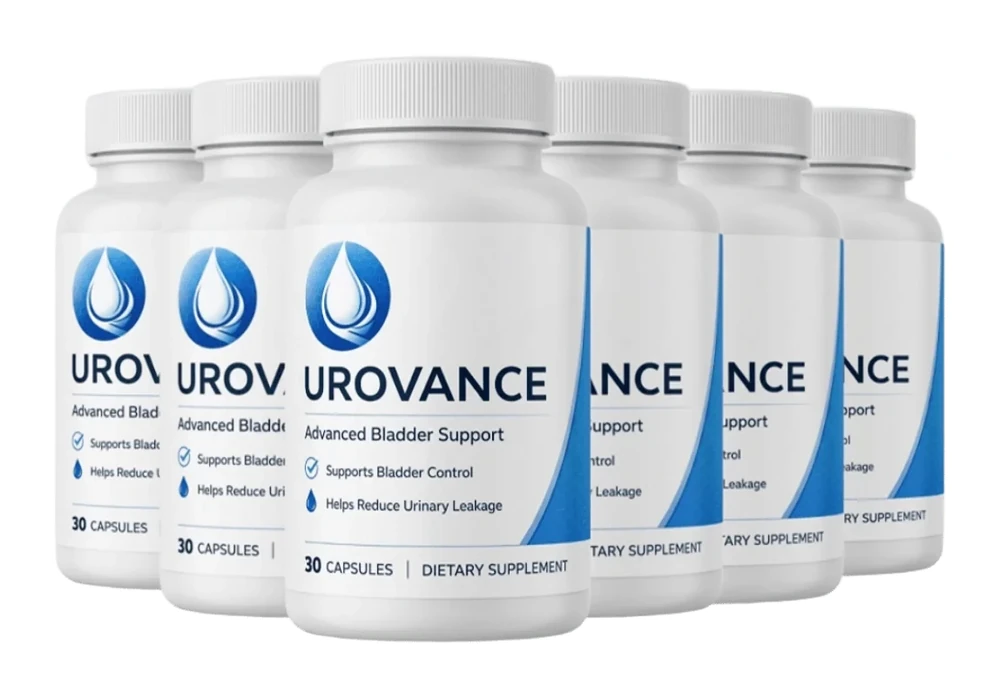
See the full printed panel in our label-reading breakdown, and the dosed nutrients in our micronutrient article.
Order Urovance