Saw Palmetto for Prostate Health: Benefits
What are the saw palmetto prostate health benefits?
Saw palmetto for prostate health is thought to work by blocking the conversion of testosterone into DHT and by calming inflammation in the lower urinary tract, which may ease a weak stream and hesitancy. The standard studied dose is 320 mg a day. The honest evidence is mixed: modest and inconsistent alone, better inside a combination formula.
- Proposed mechanism: DHT inhibition plus urinary-tract anti-inflammatory action.
- Studied dose: 320 mg/day of standardised liposterolic extract.
- Best use: combined with beta-sitosterol and pygeum, not on its own.
Why saw palmetto dominates the prostate conversation
Few supplement ingredients enjoy the fame of saw palmetto. It is searched roughly 90,500 times a month, it appears on the front of nearly every prostate product on the shelf, and for many men "prostate supplement" and "saw palmetto" are practically the same phrase. That popularity is exactly why it deserves a careful, honest look rather than another recycled sales pitch — because the gap between how famous saw palmetto is and what the strongest evidence actually shows is one of the widest in the whole supplement world.
Extracted from the berries of a fan palm native to the south-eastern United States, saw palmetto has been used for urinary complaints for well over a century. The modern interest centres on lower urinary tract symptoms — the weak stream, the hesitancy, the night-time trips that send men searching in the first place. This guide covers the real saw palmetto prostate health benefits, the proposed mechanism, the correct dose, the objections worth taking seriously, and why the smartest way to use it is almost never on its own.
How saw palmetto is thought to work
There are two main mechanisms proposed for saw palmetto prostate health benefits, and it helps to understand both because they explain why the effect is real in theory but modest in practice.
The first and most cited is hormonal. Inside the prostate, an enzyme called 5-alpha-reductase converts testosterone into dihydrotestosterone, or DHT — the more potent androgen most closely linked to prostate tissue growth over a man's lifetime. Saw palmetto is thought to partially inhibit that enzyme, nudging DHT levels within the gland downward. Prescription medications work on the same pathway far more powerfully; saw palmetto is a gentle, botanical echo of that idea rather than a match for it.
The second mechanism is local. Saw palmetto's fatty acids and plant sterols appear to have anti-inflammatory activity and may act on receptors in the bladder and lower urinary tract, potentially easing the muscular tension and irritation behind urinary urgency and a hesitant stream. Between the hormonal and the local effects, the theory is coherent: less DHT-driven pressure plus a calmer urinary tract should add up to easier flow. The catch, as always, is that a coherent theory and a large clinical effect are two different things.
The correct saw palmetto dosage for the prostate
If you take nothing else from this article, take the dose. The benchmark studied amount is 320 mg per day of a standardised liposterolic extract — the oily, fat-soluble fraction of the berry — taken either as a single daily dose or split into two 160 mg servings. Nearly every meaningful trial used that 320 mg figure, and the extracts tested were standardised to roughly 85 to 95 percent fatty acids. Effects, where they appear, are typically evaluated at six to eight weeks of consistent daily use.
This matters because the shelf is full of products that print "saw palmetto" on the front and deliver a fraction of 320 mg, or use a cheap ground-berry powder rather than the standardised liposterolic extract that was actually studied. A saw palmetto capsule under-dosed or made from the wrong part of the plant is not a smaller version of the trials — it is a different product that was never tested. When you evaluate any prostate formula, the first thing to verify is whether the saw palmetto is a standardised extract at a meaningful dose. Our complete saw palmetto dosage guide for men goes deeper on extract types and timing.
See saw palmetto dosed the way the studies did
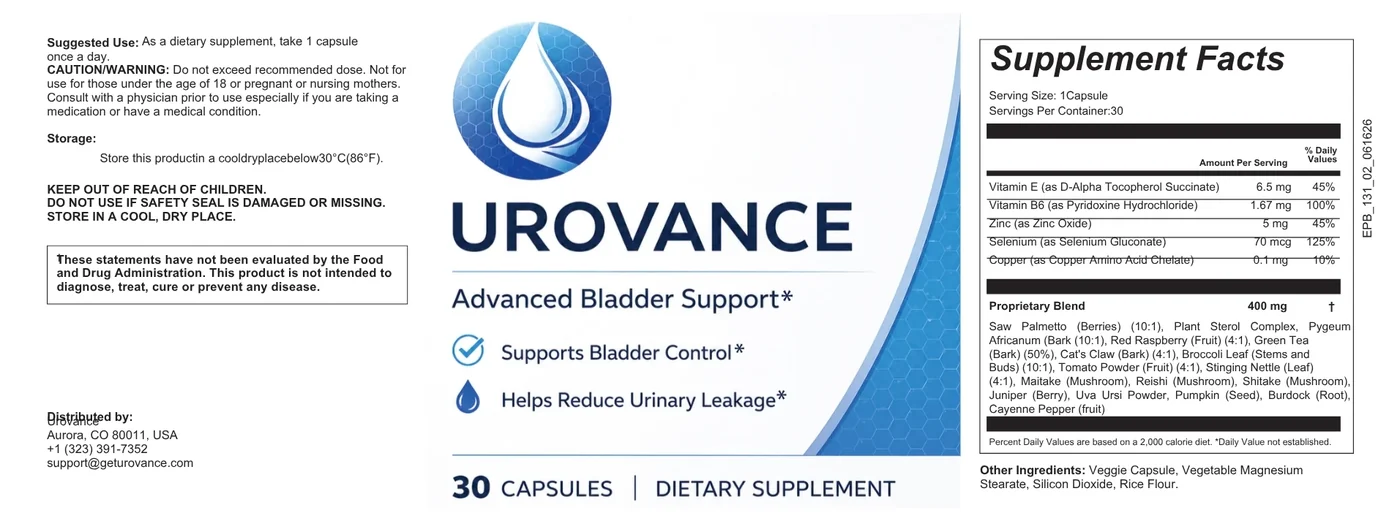
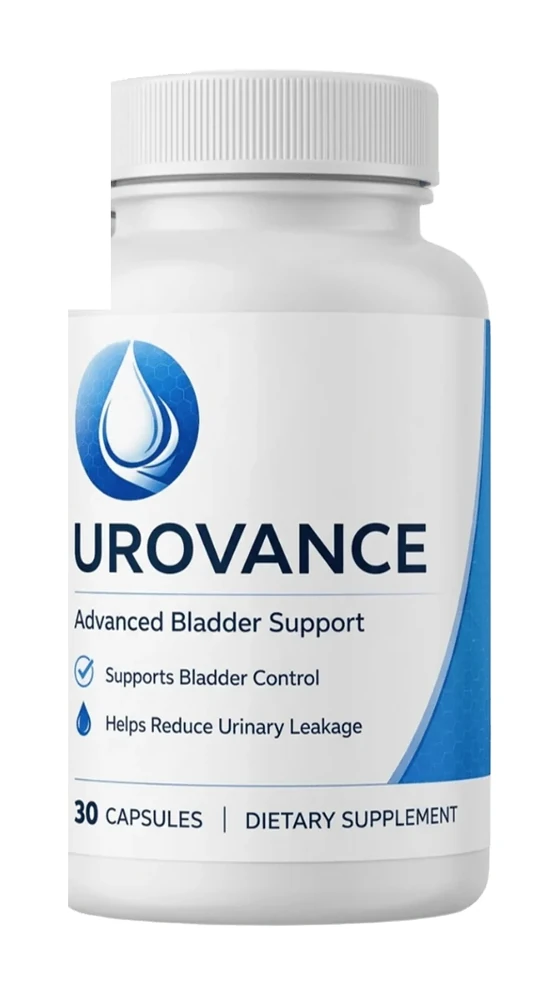
Urovance pairs a standardised saw palmetto extract with beta-sitosterol, pygeum and stinging nettle — the combination the evidence actually supports. Check the full panel.
See the Official OfferDoes saw palmetto really work? The honest evidence
Here is where an honest guide parts ways with the sales pages. The evidence for saw palmetto is genuinely mixed, and pretending otherwise would be doing you a disservice.
The early and mid-sized trials were encouraging. Several reported improvements in urinary symptom scores and flow, which is a large part of why the ingredient became so popular in the first place. But as the studies got bigger and better designed — properly randomised, placebo-controlled, and in some cases escalating the dose well beyond the usual 320 mg — the effect shrank and then largely vanished. The 2023 Cochrane review, the most rigorous synthesis available, concluded that saw palmetto used on its own was no better than placebo for lower urinary tract symptoms, even at higher doses. The United States National Center for Complementary and Integrative Health reaches a similar cautious conclusion.
That does not make saw palmetto worthless, and it does not make the men who feel better on it liars. It means the reliable, repeatable, standalone effect the early studies hinted at did not survive rigorous testing. Some men may still respond; the herb is well tolerated; and, crucially, the picture changes when it stops being asked to do the job alone.
| Question | The honest answer |
|---|---|
| Does it lower DHT? | Modestly and gently; far less than prescription options |
| Does it help symptoms alone? | Mixed; negative in the largest trials and 2023 Cochrane review |
| What is the studied dose? | 320 mg/day of standardised liposterolic extract |
| Is it safe? | Generally well tolerated; may affect bleeding — check with a pharmacist |
| Best way to use it? | Inside a combination with beta-sitosterol and pygeum |
Three myths worth clearing up
Myth one: saw palmetto shrinks the prostate. It does not, and neither does the best-supported ingredient in this class. Even beta-sitosterol, which has stronger data, improved symptom scores and flow without changing the physical size of the gland. Anyone promising shrinkage from a berry extract is overselling.
Myth two: more saw palmetto means more benefit. The large trials that pushed the dose above 320 mg did not find a bigger effect — they found the same disappointing result at a higher dose. There is no evidence that megadosing helps, and the sensible move is to match the studied amount, not exceed it.
Myth three: it works instantly. Botanical support of this kind is slow and cumulative. The trials evaluated results at six to eight weeks, and some outcomes take longer still. Judging saw palmetto after a fortnight guarantees a false negative. If you want the week-by-week picture, our breakdown of how long prostate supplements take to work sets realistic expectations.
Why combination formulas outperform saw palmetto alone
This is the single most important practical takeaway. The moment saw palmetto stops being the whole product and becomes one ingredient among several, the story improves. Combination formulas that pair saw palmetto with beta-sitosterol, pygeum africanum and stinging nettle root still show a modest but measurable benefit for urinary symptoms and flow — because the beta-sitosterol is doing the heavy lifting the saw palmetto could not do alone.
Beta-sitosterol has the strongest individual data in the category: pooled trial evidence found real improvements in urinary symptom scores and peak flow. Pygeum adds modest support from older studies, and stinging nettle root contributes some symptom-score data. Stacked sensibly at meaningful doses, these ingredients cover for each other's weaknesses. Saw palmetto's gentle DHT and anti-inflammatory action becomes a useful contributor rather than a lone hope resting on shaky ground.
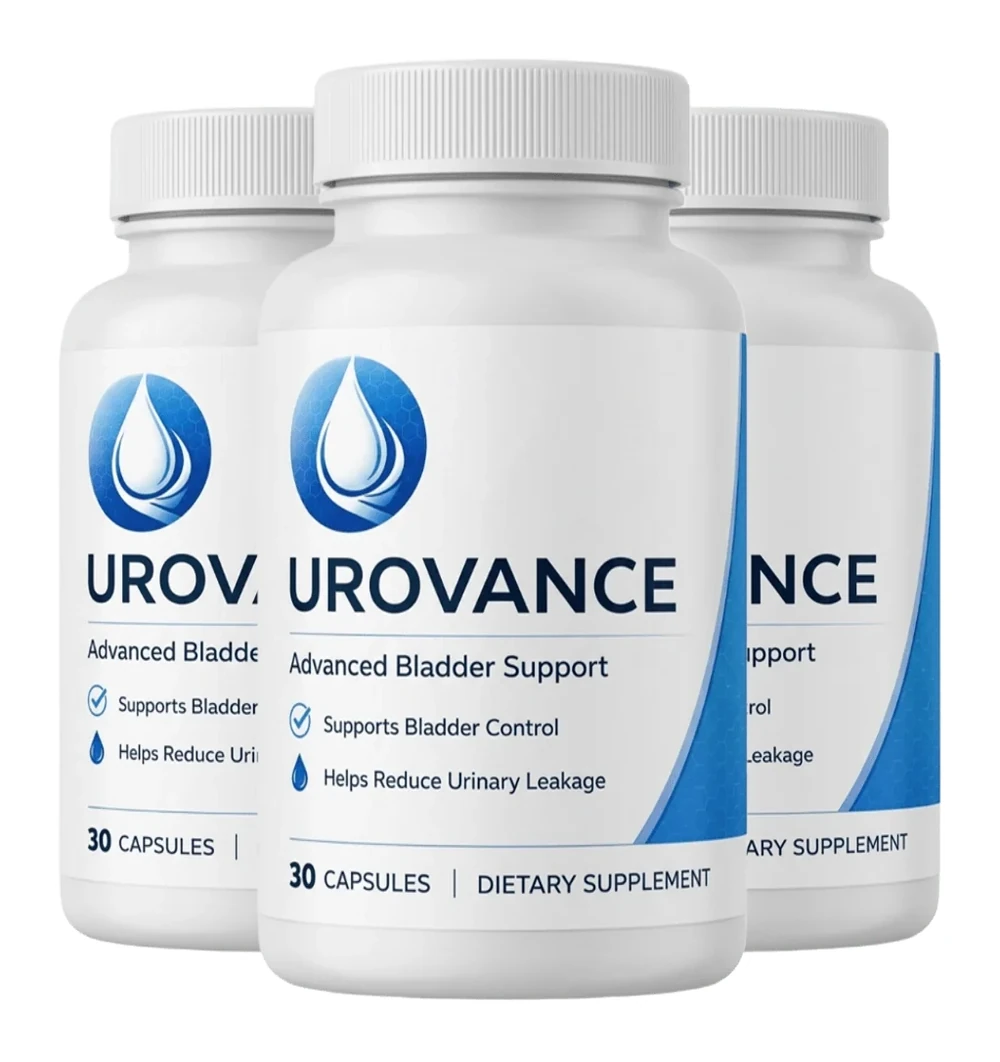
That is precisely how Urovance is built. Rather than betting everything on the most famous herb, it uses saw palmetto as a supporting ingredient inside a transparent combination with beta-sitosterol, pygeum, pumpkin seed and stinging nettle, plus a modest copper-balanced mineral blend. If you are deciding what to actually buy, our guide to the best prostate supplement for 2026 ranks the field on exactly this logic. And if pumpkin seed interests you, our piece on pumpkin seed oil and saw palmetto for the prostate covers that pairing in detail.
Safety, interactions and when to see a doctor
Saw palmetto is generally well tolerated, with mild digestive upset the most commonly reported issue. The safety note that matters most is bleeding: saw palmetto may affect clotting and is frequently flagged alongside anticoagulant and antiplatelet medicines. If you take blood thinners, hormone-related drugs, or have surgery scheduled, speak to a pharmacist before starting — many surgical teams ask patients to stop herbal supplements a week or two beforehand.
On PSA testing, controlled trials of saw palmetto did not report meaningful shifts in PSA levels, which is reassuring but not a reason to stay quiet. Always tell whoever orders the test what you are taking. And remember the limits: a supplement does not diagnose, treat, cure or prevent any disease, and it is no substitute for medical assessment. Blood in the urine, pain on urinating, fever with urinary symptoms, or a sudden inability to urinate are reasons to seek care today, not to reach for a berry extract.
Medical note: this article is general information, not medical advice. Speak to a doctor or pharmacist before starting any supplement, particularly if you take prescription medication — saw palmetto may affect bleeding and can interact with blood thinners and hormone-related drugs.
Frequently asked questions
How does saw palmetto help prostate health?
Saw palmetto is thought to support prostate health mainly by inhibiting the enzyme that converts testosterone into DHT, the hormone linked to prostate tissue growth, and by acting on inflammation and receptor pathways in the lower urinary tract. In theory that eases the pressure behind a weak stream and hesitancy. In practice the effect is modest and inconsistent, which is why it is best viewed as urinary comfort support rather than a treatment for any condition.
What is the correct saw palmetto dosage for the prostate?
The standard studied dose is 320 mg per day of a standardised liposterolic extract, taken either as a single dose or split into two 160 mg servings. That is the amount used across most trials, so it is the benchmark to check any product against. Extracts standardised to roughly 85 to 95 percent fatty acids are what were tested, and effects are typically evaluated after six to eight weeks of consistent daily use.
Does saw palmetto really work for BPH symptoms?
The evidence is genuinely mixed. Early and mid-sized trials looked promising, but the largest and best-controlled studies, including the 2023 Cochrane review, found saw palmetto used on its own performed no better than placebo for lower urinary tract symptoms even at higher doses. It remains one of the world's most popular prostate ingredients and may still suit some men, but the strongest evidence does not support it as a reliable standalone performer.
Can saw palmetto be combined with other prostate ingredients?
Yes, and combination is where it shows most value. While saw palmetto alone underperformed in the strongest trials, formulas that pair it with beta-sitosterol, pygeum and stinging nettle still show a modest benefit for urinary symptoms and flow. Beta-sitosterol in particular has the strongest individual data. A well-designed combination such as Urovance uses saw palmetto as a supporting ingredient rather than relying on it alone.
Related reading
Scientific references
- Cochrane — Serenoa repens (saw palmetto) for benign prostatic hyperplasia
- NIH NCCIH — Saw Palmetto: What You Need To Know
- Wilt T. et al. — Beta-sitosterol for benign prostatic hyperplasia: a systematic review, BJU International (1999; 4 trials, 519 men)
- NIH Office of Dietary Supplements — Zinc fact sheet for health professionals
- Mayo Clinic — Benign prostatic hyperplasia: symptoms and causes
Use saw palmetto the smart way — in a real combination
Standalone saw palmetto is a coin toss. A transparent combination is the better bet. See how Urovance doses saw palmetto alongside beta-sitosterol and pygeum.
Check the Official Offer