Pygeum Benefits for Prostate & Urination
What Does Pygeum Do for the Prostate?
Pygeum is bark extract from the African plum tree, rich in phytosterols thought to ease inflammation around the prostate and support bladder elasticity. Men take it mainly for a stronger urinary flow, less hesitancy and fewer nighttime bathroom trips. The evidence is modest but positive, and it works best paired with saw palmetto and beta-sitosterol in a complete formula.
- What it is: standardised African plum (Pygeum africanum) bark extract.
- What it targets: weak flow, hesitancy and nighttime urination.
- Typical dose: about 100 mg a day, standardised for sterol content.
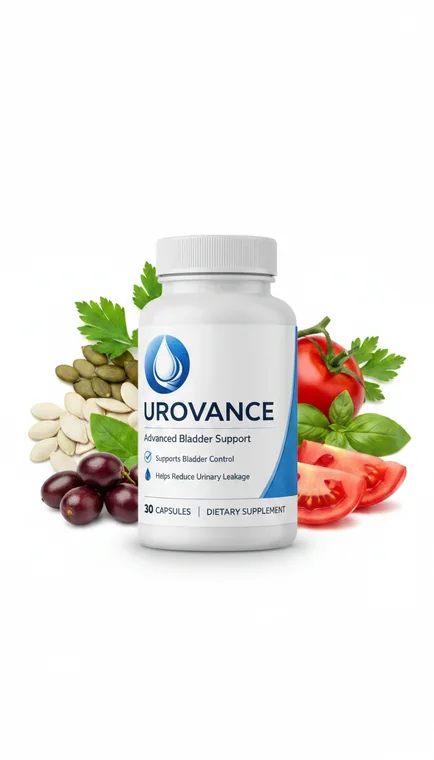
If you have started reading supplement labels for urinary support, pygeum is one of the names you keep meeting — usually sitting next to saw palmetto and beta-sitosterol. It is worth understanding on its own, because pygeum is not filler. It is a genuine botanical with a real, if modest, research history behind it, and it targets exactly the everyday complaints that send men to this shelf in the first place: a stream that has lost its force, that annoying pause before things get going, and the broken sleep of two or three trips to the bathroom every night.
This guide explains what pygeum actually is, what the science does and does not support, the dose worth looking for, and how it earns its place in a combination formula like Urovance rather than being taken alone.
What is pygeum?
Pygeum is the extract taken from the bark of Pygeum africanum, the African plum or African cherry tree, a tall evergreen native to the highland forests of sub-Saharan Africa. Traditional healers used the bark long before anyone isolated its chemistry, and modern extracts concentrate the parts that appear to matter most: a group of fat-soluble plant compounds called phytosterols, along with pentacyclic triterpenes and ferulic acid esters.
Those phytosterols are the headline. They are structurally similar to cholesterol and are the same broad family of compounds that makes beta-sitosterol interesting for urinary support. In the body they are thought to influence inflammatory signalling and the behaviour of certain growth factors around the prostate and bladder — which, in plain terms, is the proposed mechanism behind the comfort and flow benefits men report. A quality pygeum extract is standardised, meaning the label guarantees a set percentage of these sterols in every capsule rather than leaving the active content to chance.
Pygeum benefits for the prostate and urination
The reason pygeum has survived in prostate formulas for decades comes down to a cluster of related benefits, all pointing at the lower urinary tract.
Easier, stronger flow. The most commonly cited benefit is a reduction in the sense of straining and a return of some force to the stream. In the older clinical literature, standardised pygeum was associated with improvements in peak urinary flow rate in men with benign urinary symptoms.
Less hesitancy and residual feeling. Many men describe the frustrating sense of not fully emptying, or a delay before the stream starts. Pygeum has been studied for exactly these measures, with modest reported improvements in residual urine volume in some trials.
Support for bladder elasticity. Beyond the prostate itself, pygeum's phytosterols are proposed to support the bladder wall's elasticity and contractility — the bladder's ability to stretch, hold and then empty properly. This matters because urinary comfort is as much about how the bladder behaves as about the gland beneath it.
Fewer nighttime trips. Nocturia — waking to urinate — is often the symptom men most want gone, because it wrecks sleep. Some older pygeum trials reported reductions in nighttime frequency alongside the flow improvements. If nighttime waking is your main complaint, it is worth reading our dedicated guide to the best prostate supplement for nighttime urination to see how the whole formula fits together.
An honest caveat runs through all of this: the supportive studies are mostly older, smaller and less rigorous than the large modern trials we now expect. That does not make the benefits imaginary, but it does mean pygeum is best understood as a well-tolerated, plausible helper — not a guaranteed switch you flip.
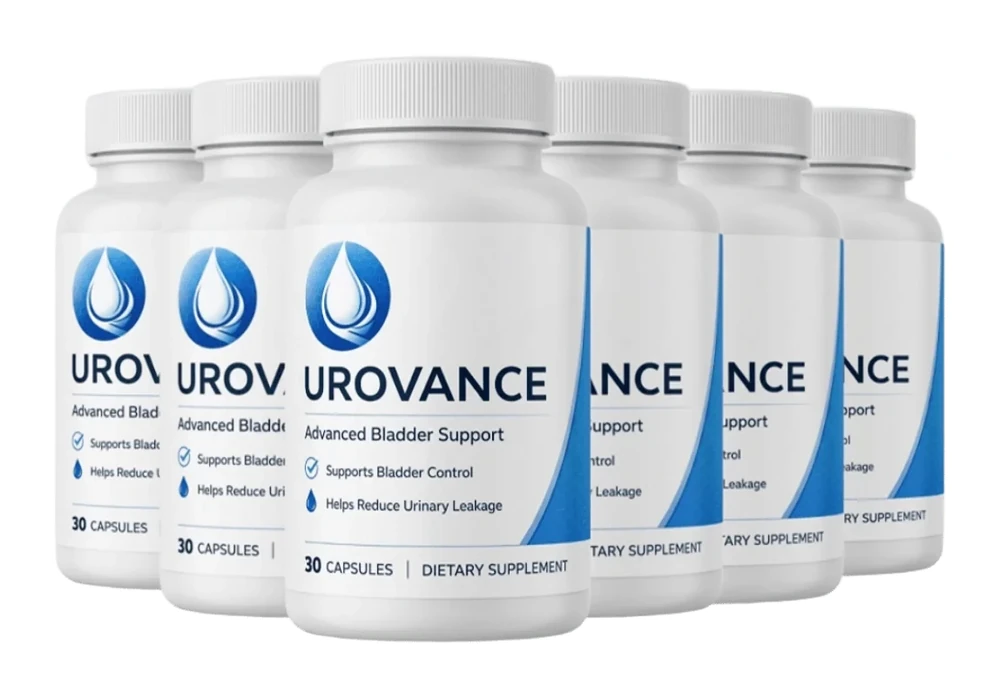
Want pygeum in a complete, dosed formula?
Urovance pairs standardised pygeum with saw palmetto, beta-sitosterol and pumpkin seed in one daily capsule — the combination approach the research points toward.
See the Official OfferWhat is the recommended pygeum dosage?
The number to remember is around 100 mg a day of a standardised pygeum extract, which is the amount most consistently used in the research and sometimes split into two 50 mg servings. When you scan a label, you are looking for two things: the milligram amount and the word “standardised” (or a stated sterol percentage). A big, impressive-sounding number of raw, un-standardised bark is worth far less than a modest dose of a properly standardised extract.
Crucially, more is not better here. There is no reliable evidence that mega-dosing pygeum produces bigger results, and pygeum is rarely intended to work alone. In most well-built products it appears as one instrument in a small orchestra alongside saw palmetto, beta-sitosterol and pumpkin seed, each contributing at a sensible dose. That is a design choice, not a cost-cutting one, and it is the same principle we apply when we assess any product in our roundup of the best prostate supplements to compare in 2026.
Is pygeum better than saw palmetto?
This is the comparison people search for, usually because they assume one ingredient must be the “real” one and the other filler. The honest answer disappoints that expectation: neither is clearly superior, and they are not doing the same job. Saw palmetto is by far the more famous of the two, yet its largest and best-controlled trials were underwhelming, finding it performed no better than placebo for lower urinary tract symptoms even at high doses — a story we unpack in our review of what the saw palmetto and beta-sitosterol evidence actually shows. Pygeum, meanwhile, has smaller and older studies that lean positive but were never run at modern scale.
So rather than crowning a winner, the sensible reading is that these two botanicals have different proposed mechanisms and overlapping goals, which is precisely why they are so often combined. Betting everything on one ingredient is the fragile strategy; letting a few well-dosed ingredients cover different angles is the robust one.
The myth of the single “miracle” ingredient
A lot of marketing in this space is built on the fantasy of one hero ingredient — the single botanical that supposedly does everything, if only you find the right brand. Pygeum gets pulled into that story, and so does saw palmetto, and so does beta-sitosterol in turn. It is worth naming the myth directly, because it leads people to buy expensive single-ingredient bottles and feel let down.
The reality is quieter and more useful. Lower urinary tract comfort has several contributing factors, no botanical addresses all of them, and the evidence for any single ingredient is modest at best. A thoughtfully combined formula — pygeum for its sterols, beta-sitosterol for its better flow data, pumpkin seed for bladder comfort, a modest mineral base — is a more rational bet than doubling down on one name, and it is the approach the research quietly supports.
How Urovance uses pygeum
Urovance is built on exactly that combination logic. It brings pygeum together with saw palmetto, beta-sitosterol plant sterols, pumpkin seed and stinging nettle, plus a modest, sensibly dosed mineral base, in a single once-daily capsule. The point is not to out-shout other labels with the biggest pygeum number on the shelf; it is to include pygeum at a reasonable, standardised amount as part of a coherent formula that covers several angles of urinary comfort at once.
Because Urovance publishes its full supplement facts panel, you can see precisely where pygeum sits and check the other doses for yourself rather than trusting a front-label slogan. If pygeum is what led you here, the natural next step is to see the whole blend in context — you can read our complete breakdown of the Urovance formula and decide whether the combination approach makes sense for you.
Medical note: this article is general information, not medical advice. Pygeum and similar botanicals may interact with medication, and persistent urinary symptoms deserve a proper check-up. Speak to a doctor or pharmacist before starting any supplement, especially if you take prescription medicine.
Frequently asked questions
What does pygeum do for the prostate?
Pygeum, or African plum bark, is valued for a group of plant compounds called phytosterols that are thought to help calm inflammation around the prostate and support the bladder. In practice men most often take it hoping for easier flow, less hesitancy and fewer trips to the bathroom at night. The supportive studies are older and modest in size, so it is best seen as a well-tolerated helper rather than a guaranteed fix.
What is the recommended pygeum dosage?
The dose used in most research is a standardised pygeum extract of roughly 100 mg a day, sometimes split into two 50 mg servings. That is the amount to look for on a label, standardised for its sterol content. More is not automatically better, and pygeum is usually taken as part of a blend alongside saw palmetto and beta-sitosterol rather than as a high-dose stand-alone.
Does pygeum reduce nighttime urination?
Reducing nighttime trips to the bathroom, known as nocturia, is one of the outcomes pygeum has been studied for, and some older trials reported modest improvements in nighttime frequency alongside better flow. Results vary from person to person and the evidence is not large, so treat it as a reasonable, well-tolerated option to try over a few weeks rather than a certainty. Persistent nocturia should be checked by a doctor.
Is pygeum better than saw palmetto?
Neither is clearly better; they work in different ways and the honest answer is that both have mixed, modest evidence. Saw palmetto is far more popular but its largest trials were disappointing, while pygeum has smaller, older studies behind it. Rather than choosing one over the other, many formulas combine pygeum, saw palmetto and beta-sitosterol so the ingredients can complement each other.
Scientific references
- Wilt T. et al. — Pygeum africanum for benign prostatic hyperplasia (Cochrane review, 18 trials, 1,562 men)
- Wilt T. et al. — Beta-sitosterol for benign prostatic hyperplasia: a systematic review, BJU International (1999; 4 trials, 519 men)
- NIH NCCIH — Saw Palmetto: What You Need To Know
- NIH Office of Dietary Supplements — Zinc fact sheet for health professionals
- Mayo Clinic — Benign prostatic hyperplasia: symptoms and causes
Related reading
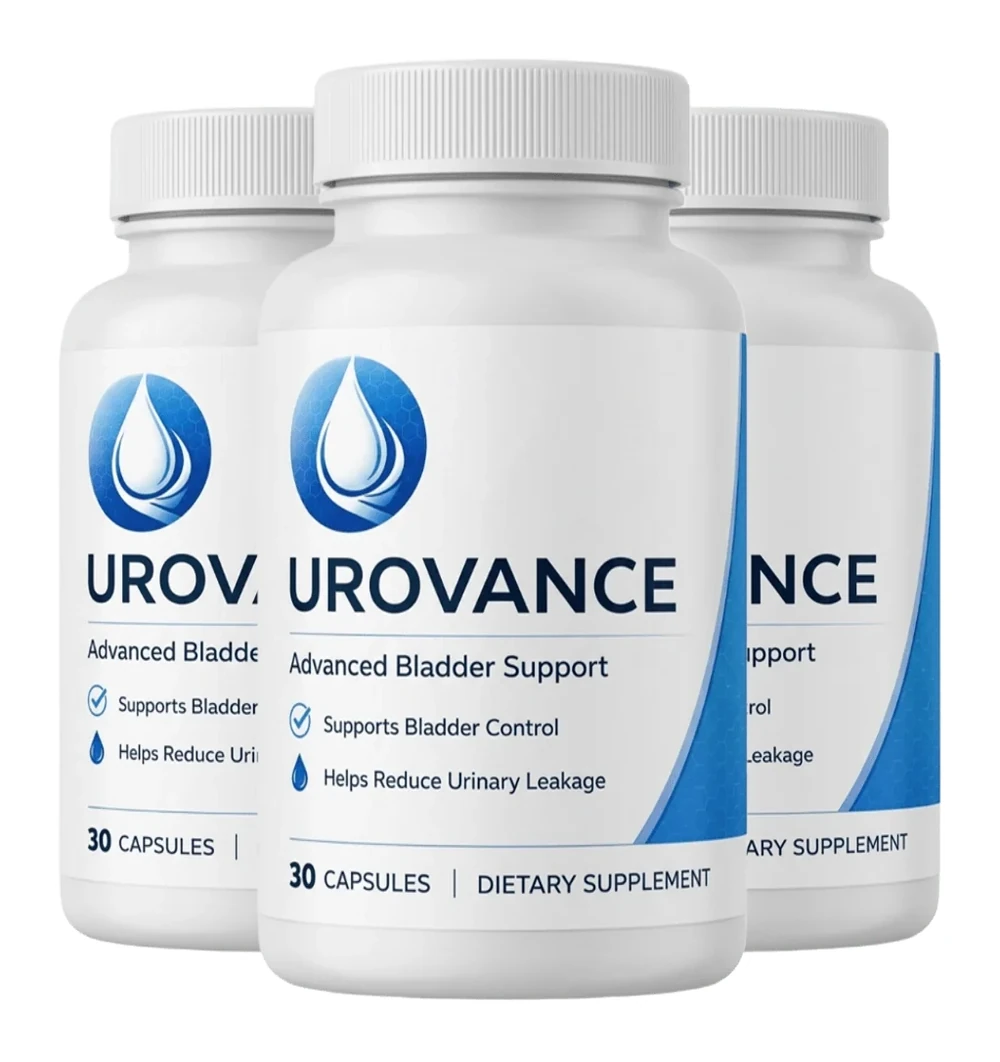
See pygeum in a formula built to work together
Urovance combines standardised pygeum with the other studied urinary-support botanicals in one daily capsule, with the full panel published so you can check every dose.
Check the Official Offer