Prostate Supplement Side Effects, Explained Clearly
What Are the Side Effects of Prostate Supplements?
Prostate supplement side effects are usually mild when they appear at all: occasional stomach upset, nausea or a headache, most often from taking a capsule on an empty stomach. Saw palmetto is the ingredient most linked to minor digestive complaints. Interactions with blood thinners and stacked minerals matter more than the supplement alone, so check with a pharmacist before you start.
- Most effects are digestive: mild and temporary, usually fixed by taking it with food.
- Interactions beat the supplement: blood thinners and hormone drugs are the flags.
- Add up your minerals: zinc from every bottle should stay under 40 mg a day.
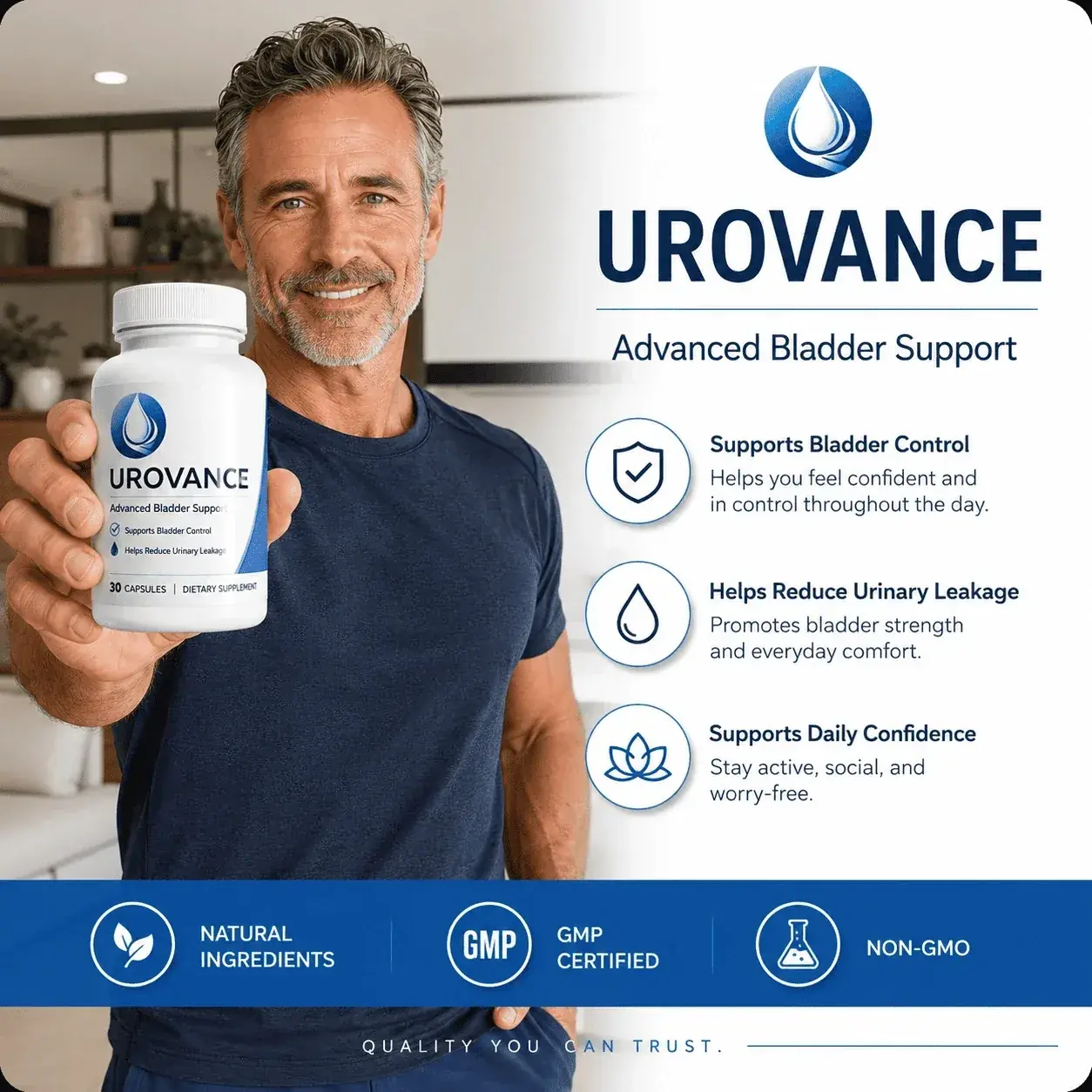
If you are researching prostate supplement side effects before you buy rather than after, that instinct is a good one, and it is exactly the right order to do it in. The reassuring headline is that these products are, on the whole, well tolerated: the most common prostate supplement side effects are mild, digestive and temporary. The important part is the detail underneath that headline, because the real risks in this category rarely come from a single capsule. They come from what the capsule is taken alongside — a blood thinner, a stack of overlapping minerals, an upcoming operation nobody mentioned to the pharmacist.
This page walks through what can actually happen, how likely it is, and how to take a prostate formula sensibly. We will also be honest about the ingredient with the most complicated safety story, saw palmetto, and about the one mineral that quietly causes more trouble than any other: zinc.
The “natural means no side effects” myth
The single most common misunderstanding in this whole category is the idea that because an ingredient is a plant extract or a mineral, it cannot have effects on the body worth thinking about. It is a comforting thought and it is wrong. Anything with a real, measurable action in the body — which is the entire reason you are buying it — can also produce unwanted effects in some people, and can interact with medicines that act on the same systems. “Natural” describes where an ingredient came from, not how gently it behaves once it is inside you.
That does not mean botanical prostate formulas are dangerous. It means the honest framing is one of ordinary, manageable risk rather than zero risk. A well-chosen, well-dosed product taken by the right person is a low-risk thing to try. The same product taken by someone on warfarin, a week before surgery, on top of two other zinc-containing supplements, is a different proposition entirely — and the difference has nothing to do with the word “natural” on the label.
The most common prostate supplement side effects
When side effects do occur, they cluster overwhelmingly in one place: the digestive system. Mild stomach upset, a touch of nausea, softer or looser stools, occasionally a headache. In the vast majority of reports these are minor and short-lived, and they are far more likely when a capsule is swallowed on an empty stomach first thing in the morning. Saw palmetto is the ingredient most frequently linked to these mild gastrointestinal complaints, and even then the effects reported in controlled studies were generally close to what people on a placebo experienced.
The single most effective fix is also the simplest: take the capsule with a meal and a full glass of water. That one change resolves most of the mild GI reports people describe. If you want the full routine, our guide on how to take prostate supplements the right way covers timing, food and the twelve-week window in detail.
| Reported effect | How common | What usually helps |
|---|---|---|
| Mild stomach upset or nausea | Occasional | Take with food and water, not on an empty stomach |
| Loose stools | Uncommon, usually early on | Often settles within the first week or two |
| Headache | Uncommon | Hydration; review if it persists |
| Bleeding-related concerns (saw palmetto) | Rare, matters most with blood thinners | Discuss with a doctor before starting |
| Copper depletion (from stacked high-dose zinc) | Rare, cumulative over months | Keep total zinc under 40 mg/day across all products |
A supplement being well tolerated in a trial does not mean it is well tolerated for you specifically. Your medication list, not the label, is what changes the answer.
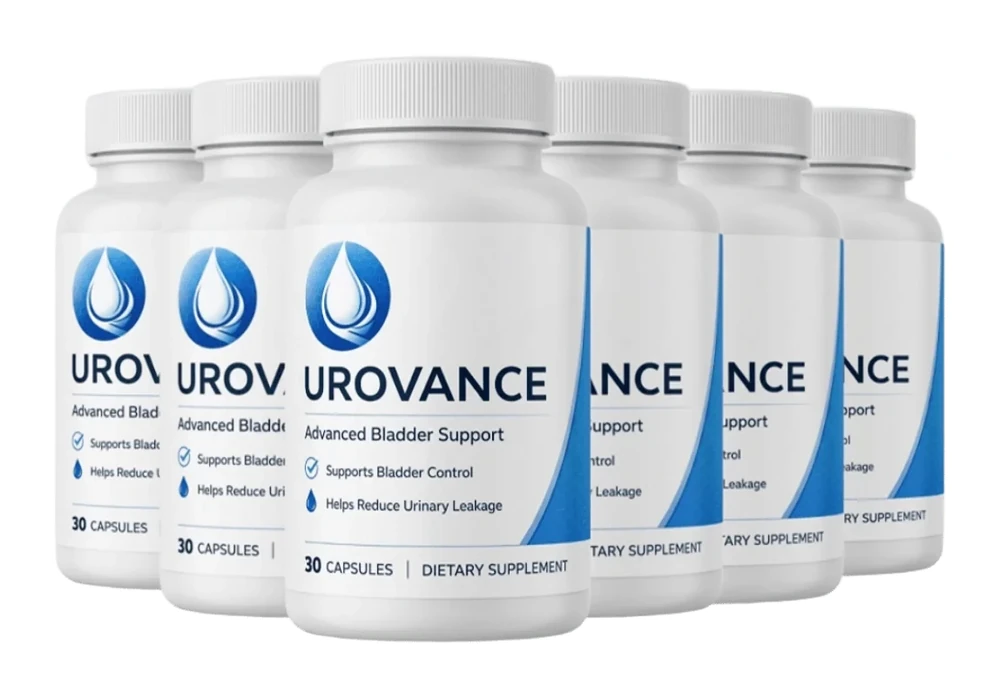
Prefer a formula that publishes its full doses?
You can only judge safety when the amounts are printed. Urovance lists its complete supplement facts panel, so you can add up your minerals and see the doses before you decide.
See the Official OfferIs saw palmetto safe to take long term?
This is the question people ask most, and it deserves a straight answer rather than reassurance. Saw palmetto has a long history of traditional and modern use and is generally considered well tolerated, including over extended periods. In the large controlled trials the reported side effects were mostly mild and digestive, and did not differ dramatically from placebo even when researchers pushed the dose well above the usual amount.
The genuine long-term consideration is not the stomach; it is bleeding. Saw palmetto is commonly flagged as a botanical that may affect clotting, which is why it appears on interaction lists next to anticoagulant and antiplatelet medicines. For most people not on those drugs this is a non-issue. For someone on a blood thinner, or with an operation on the calendar, it is a conversation to have with a doctor before the first capsule, not after.
There is a second, quieter point about long-term use that applies to every supplement, not just this one: taking something for months without ever revisiting the decision is a habit worth breaking. A brief annual review with a pharmacist — is this still doing something for me, does it still fit my medication list — is a better default than indefinite autopilot.
Can prostate supplements interact with your medications?
Yes, and this is where the real attention belongs. The most important interactions in this category are predictable and easy to check:
Blood thinners and antiplatelet drugs. Saw palmetto may add to their effect. If you take warfarin, apixaban, clopidogrel, daily aspirin or anything similar, clear the supplement with your prescriber first.
Hormone-related medicines. Several botanicals used in prostate formulas are proposed to touch hormone pathways. If you take anything hormone-related, it is worth flagging rather than assuming.
Certain antibiotics and minerals. Zinc and other minerals can bind to some antibiotics (such as certain quinolones and tetracyclines) and reduce their absorption. Separating the doses by a few hours usually solves it, but your pharmacist should make that call.
Upcoming surgery. Many surgical teams ask patients to stop herbal supplements one to two weeks before a procedure. Mention it early if anything is planned.
None of this makes a prostate supplement unusually hazardous. It makes it a normal product that deserves a normal check. The practical rule is simple: bring the full supplement facts panel — not just the front of the box — to your doctor or pharmacist, because the interactions live in the ingredient list, not the marketing. If you want a framework for reading that panel, our prostate supplement label reading checklist shows exactly what to look for.
How much zinc is too much in a prostate supplement?
Zinc is the mineral that causes more accidental trouble than anything else here, and almost always for the same reason: stacking. For adult men, the tolerable upper intake level for zinc is 40 mg a day from all sources combined. That figure is not per bottle — it is the total of every capsule, multivitamin, men's formula, immune blend and fortified breakfast cereal you consume in a day.
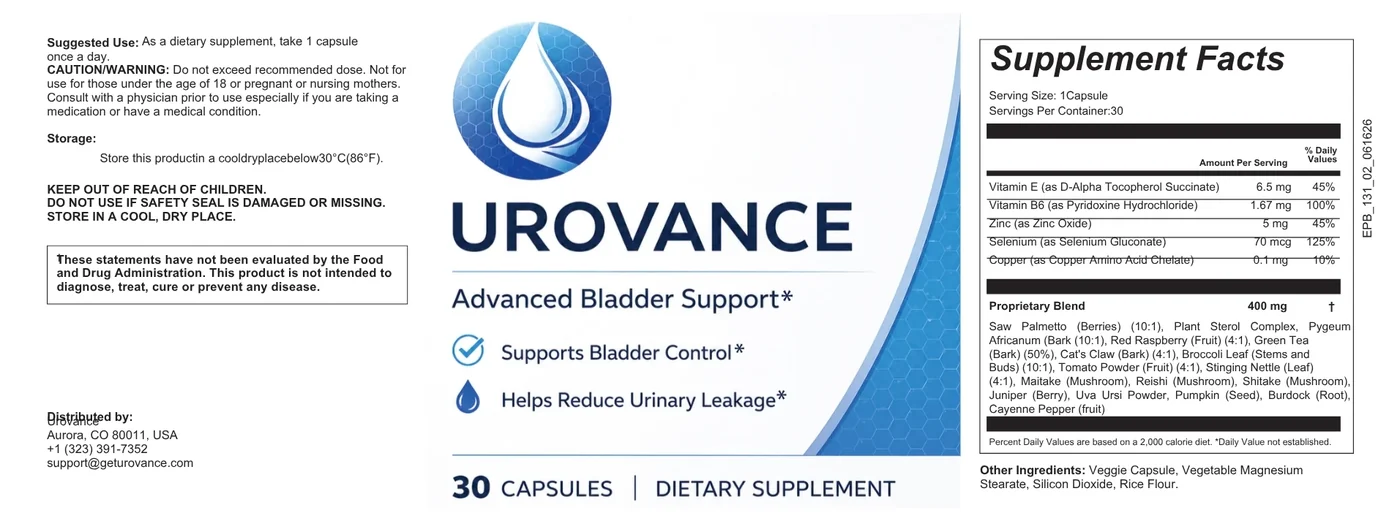
Regularly exceeding that upper limit over time can interfere with the way your body absorbs copper, and chronic copper depletion is a genuine, if uncommon, consequence of long-term high-dose zinc. This is exactly why the better-designed formulas keep zinc modest and pair it with a small amount of copper to protect that balance. On the Urovance panel, for example, 5 mg of zinc sits alongside 0.1 mg of copper — an amount that leaves plenty of headroom even if you take a multivitamin as well.
The takeaway is not “avoid zinc.” It is “add up your zinc.” Lay every supplement you take on the counter, total the zinc across all of them, and make sure the sum stays comfortably under 40 mg. A five-minute exercise with the labels is the highest-value safety step in this entire article.
Who should take extra care
Some people should treat a new prostate supplement as a decision to run past a professional rather than a casual purchase. That includes anyone on blood thinners or antiplatelet medicines, anyone taking hormone-related drugs, anyone with surgery planned in the next fortnight, and anyone already taking several supplements that might overlap on zinc, selenium or vitamin E. Men over 60, who are statistically more likely to be on daily prescription medicine, fall into this group more often than they realise — we cover their specific checklist in our guide to choosing a prostate supplement after 60.
There is also a category of symptoms that belongs in a clinic today, not a search bar: blood in the urine, pain on urinating, fever alongside urinary symptoms, a sudden inability to pass urine, or any rapid change from what is normal for you. No supplement is an alternative to getting those assessed, and using one to postpone a medical appointment is the one genuinely risky choice in this whole space.
How Urovance is dosed to stay inside safe ranges
Transparency is the practical answer to most safety worries, which is why it is worth saying plainly how Urovance is built. It is a clinically-minded, once-daily capsule that publishes its complete supplement facts panel rather than hiding behind a front-label slogan. The minerals are kept at modest, sensible amounts — the 5 mg of zinc balanced with copper being the clearest example — specifically so the totals stay well inside published upper limits even for someone who also takes a multivitamin.
That design philosophy is the honest counter to the “more is better” instinct that drives so many mega-dosed products. A prostate formula does its job by delivering studied ingredients at reasonable doses that fit safely into the rest of your day, not by loading a label with the biggest numbers it can print. If you want to see how the amounts line up before deciding, you can read our full breakdown of the Urovance formula and check every dose yourself.
Medical note: this article is general information, not medical advice. If you take any prescription medicine, are due to have surgery, or manage a health condition, speak to a doctor or pharmacist before starting any supplement, and bring the full ingredient panel with you.
Frequently asked questions
What are the side effects of prostate supplements?
Most prostate supplements are well tolerated, and when side effects happen they are usually mild and digestive: a little stomach upset, nausea, loose stools or a headache, most often when a capsule is taken on an empty stomach. Saw palmetto is the ingredient most linked to mild GI complaints. Taking the capsule with food and a full glass of water resolves the majority of these cases.
Is saw palmetto safe to take long term?
Saw palmetto has a long history of use and is generally considered well tolerated for extended periods, with most reported effects being mild and digestive. The main long-term consideration is that it may affect bleeding, so anyone on blood thinners or facing surgery should speak to a doctor first. It is sensible to review any supplement you take for months with a healthcare professional rather than assume indefinite use is automatically fine.
Can prostate supplements interact with my medications?
Yes, they can. Saw palmetto may add to the effect of blood thinners and antiplatelet drugs, and some botanicals are proposed to touch hormone pathways. Minerals such as zinc can also interfere with the absorption of certain antibiotics. If you take any prescription medicine, bring the full supplement facts panel to your doctor or pharmacist before you start, rather than checking only the front label.
How much zinc is too much in a prostate supplement?
For adult men the tolerable upper intake level for zinc is 40 mg a day from all sources combined. Regularly exceeding that can interfere with copper absorption over time. The problem is rarely one product; it is the total once a multivitamin, a men's blend and fortified foods are added up. A modest amount such as the 5 mg on the Urovance panel, paired with a little copper, leaves plenty of headroom.
Scientific references
- NIH NCCIH — Saw Palmetto: What You Need To Know
- NIH Office of Dietary Supplements — Zinc fact sheet for health professionals
- NIH Office of Dietary Supplements — Vitamin E fact sheet for health professionals
- Barry M. et al. — Saw palmetto (CAMUS) high-dose placebo-controlled trial, JAMA
- Mayo Clinic — Benign prostatic hyperplasia: symptoms and causes
Related reading
Judge the doses, then decide
Urovance keeps its minerals modest, pairs zinc with copper and publishes the full panel, so you can check every amount against the upper limits before you buy.
Check the Official Offer