Prostate Supplement Ingredients: A Label-Reading Checklist
Quick Answer: How Do You Read Prostate Supplement Ingredients?
Ignore the front of the bottle and read the supplement facts panel from the top: serving size first, then each nutrient with its amount, then the blend total, then the ingredient order. Ingredients are listed by descending weight, so position tells you a lot even when individual amounts are hidden inside a proprietary blend. Compare what you find against the amounts used in published trials, and treat a very long ingredient list as a sign that each name is getting a small share of a fixed total.
- Serving size first: every milligram on the panel is quoted per serving, not per capsule.
- Order matters: descending weight means the first three names dominate the blend.
- Plant part and ratio matter: nettle root and nettle leaf are not the same thing.
The panel is the product
Everything that legally matters about what you are buying sits in one small black-and-white box. The front of the bottle is advertising and can say almost anything within the rules; the supplement facts panel has a prescribed format and has to be accurate. Learning to read it in ninety seconds is the single highest-value skill in this category, and it is not hard.
Prostate supplement ingredients are also listed under rules that work in your favour once you know them, which is why five minutes of practice pays off across every bottle you will ever pick up.
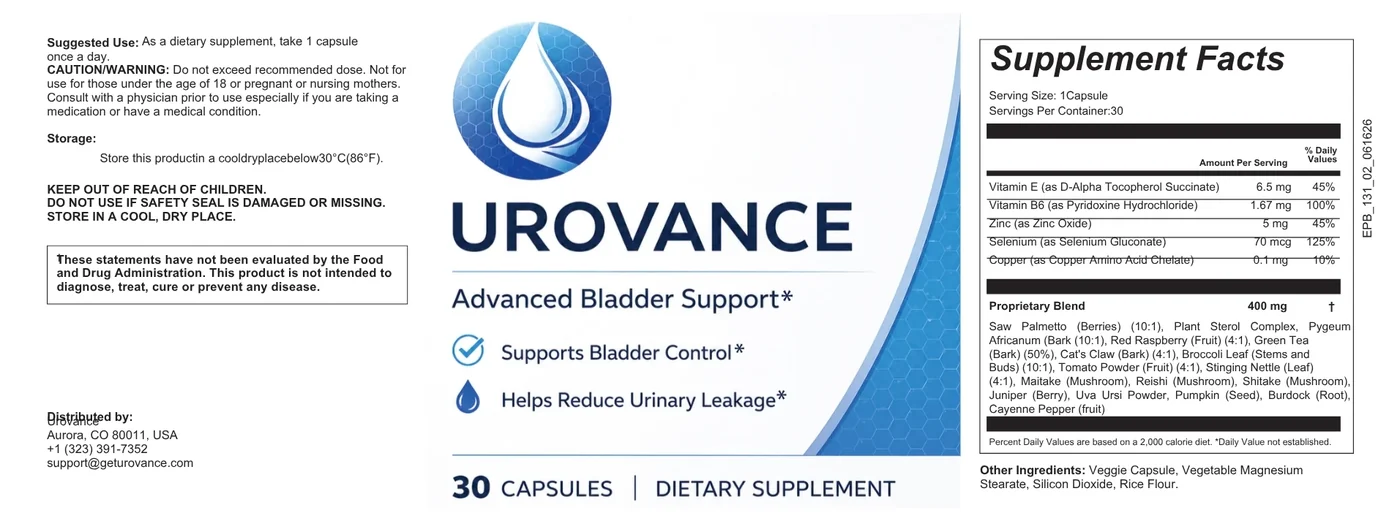
Work top to bottom. Serving size and servings per container come first — on a one-a-day capsule product, that is one capsule and thirty servings, which makes a bottle a month. Then come the named vitamins and minerals with individual amounts and percent daily values. Then, usually, a blend line with a single total weight. Then, outside the box, the "other ingredients" line. Each of those four zones tells you something different.
Named nutrients: the part you can actually verify
Vitamins and minerals must be declared individually with their amounts, so this is the section where checking is easy and worthwhile. On a typical prostate formula you will see some subset of vitamin E, vitamin B6, zinc, selenium and copper.
Two questions are worth asking of each. First, how does the amount compare to the recommended intake and, more importantly, to the tolerable upper limit? For adult men the reference points are roughly 11 mg of zinc a day recommended against a 40 mg upper limit, and 55 mcg of selenium against a 400 mcg upper limit. Second, what else in your cupboard contains the same nutrient? Stacking is the real risk, not any single bottle.
Small amounts of copper alongside zinc are a good sign rather than filler, because sustained high zinc intake can interfere with copper absorption. A panel that pairs, say, 5 mg of zinc with 0.1 mg of copper is showing a formulator who thought about that interaction.
Proprietary blends: what you can and cannot learn
A proprietary blend gives you a total weight and a list of names in descending order by weight, with no individual amounts. It is entirely legal and extremely common. It is also the single biggest obstacle to evaluating a product properly, so it is worth being precise about what it does and does not hide.
What you can learn: the total. If a blend is 400 mg and contains eighteen botanicals, then simple arithmetic says no single one of them is present at 320 mg — the amount of saw palmetto extract used in the well-known trials. That is not a scandal; it is a different design philosophy, a broad blend rather than a single high-dose ingredient. But it does mean you should not expect trial-level amounts of anything.
What you can also learn: the order. Descending weight ordering is required, so whatever is named first carries the most weight. A panel that opens with saw palmetto berries and a plant sterol complex is telling you where the mass went, even if it will not tell you exactly how much.
What you cannot learn: whether the fifteenth ingredient is present at a meaningful amount or as a token pinch. This is sometimes called fairy dusting, and a proprietary blend makes it undetectable from the outside. Judge accordingly. It is also the reason two brands can look identical on the front of the bottle and differ enormously inside it, a problem we work through in comparing UroVerve with Primal 5 Prostate Blend.
A blend total is a budget. Every extra name on the list is another claim on the same fixed number of milligrams.
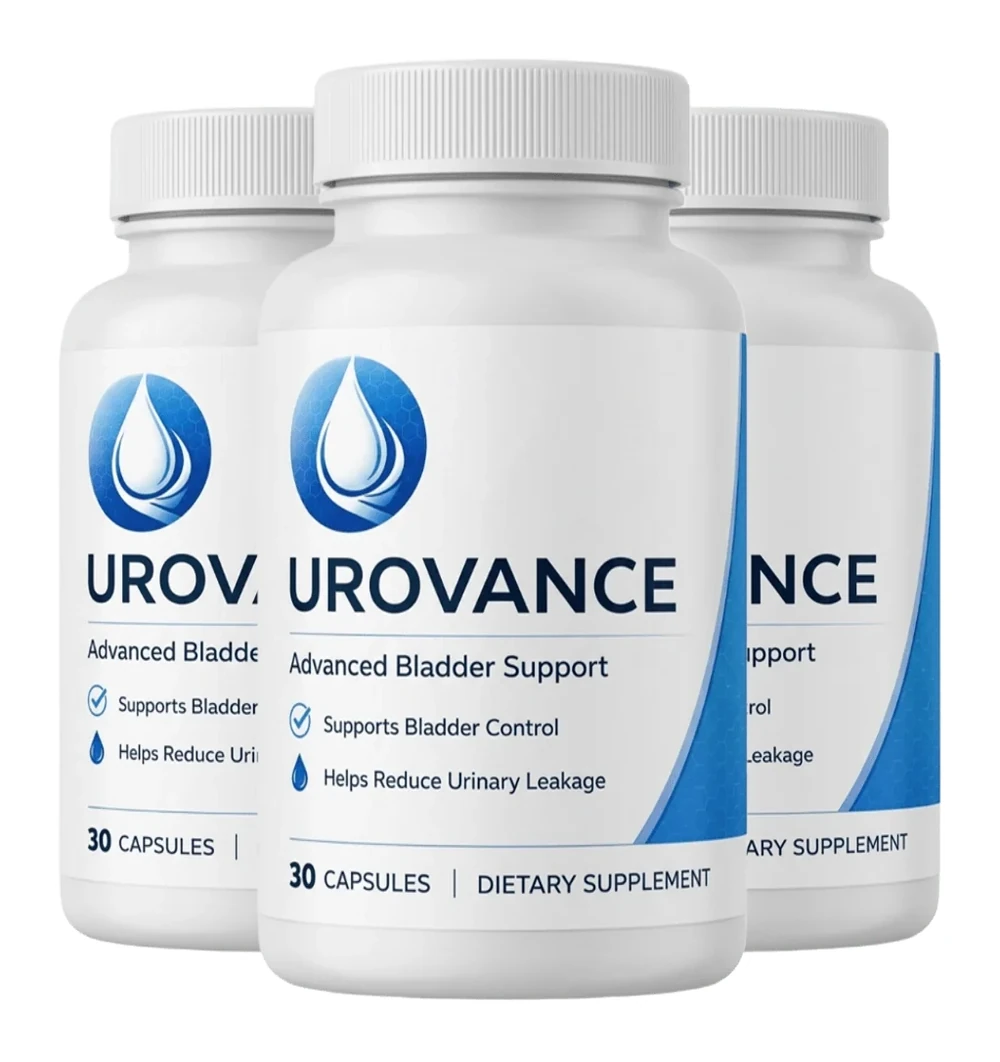
Want to practise on a real panel?
Whatever you decide to buy, insist on seeing the full supplement facts panel before you pay — it is the only honest way to compare a prostate health supplement against its shelf-mates.
See the Official OfferExtract ratios and standardisation, decoded
Botanical lines often carry a number in brackets, and the two common formats mean different things.
A ratio such as 10:1 or 4:1 is a concentration figure: approximately ten (or four) parts of raw plant were processed down to one part of finished extract. Weight for weight, a 10:1 extract is more concentrated than a 4:1 extract of the same plant. What a ratio does not tell you is how much of any particular active compound ended up in the finished material, because that depends on the solvent, the plant batch and the process.
A percentage such as "50%" is a standardisation figure: the extract has been produced and tested to contain that proportion of a defined marker compound — polyphenols in green tea, for example. Standardisation is more informative than a ratio, because it points at a measurable constituent rather than a manufacturing shorthand.
Neither number rescues an ingredient with no human evidence behind it. A beautifully standardised extract of something never tested for urinary symptoms is still an ingredient with no evidence.
Plant parts: the detail almost everyone skips
When a panel writes an ingredient as "Stinging Nettle (Leaf)" or "Saw Palmetto (Berries)", that bracket is doing real work. Different parts of the same plant contain different compounds and have been studied to different degrees.
Nettle is the textbook case. The symptom-score data in this area comes largely from nettle root preparations, whereas nettle leaf is a different material more often associated with other traditional uses. A label listing nettle leaf is not doing anything wrong, but if you bought the product on the strength of nettle research, you should know that the studied part and the supplied part may not match. The same logic applies to pygeum, where the bark is the studied material, and to saw palmetto, where the berry extract is the researched form.
Check the bracket. It takes two seconds and it is one of the few places where a label quietly tells you whether the formula was built from the literature or from a catalogue.
The prostate supplement ingredients that carry the evidence
Once you can read the panel, you still need a ranking to read it against. The honest hierarchy in this category is short at the top and long at the bottom, and it is worth knowing before a label impresses you with sheer quantity.
| Label term | What it means | What to check |
|---|---|---|
| Plant sterol complex / beta-sitosterol | The best-supported ingredient class here | How early it appears in the blend order |
| Saw Palmetto (Berries) 10:1 | Concentrated berry extract; mixed evidence overall | Berry, not leaf; and the blend total it sits inside |
| Pygeum Africanum (Bark) 10:1 | Modest older evidence; bark is the studied part | That the bark is specified |
| Stinging Nettle (Leaf) 4:1 | Leaf, not the root used in symptom trials | Whether root or leaf is supplied |
| Green Tea 50% | Standardised to a marker compound | What the 50% refers to |
| Proprietary Blend 400 mg | Total weight only; no individual amounts | How many names share that total |
| Other Ingredients | Capsule shell and processing aids | Allergens, gelatin vs veggie capsule |
Read against that table, most panels sort themselves quickly. Plant sterols and pygeum near the front is a formula built around the better data. Twelve exotic names ahead of them is a formula built around the ingredient count. If you want the underlying trial detail, our piece on saw palmetto and beta-sitosterol evidence goes through the studies one by one.
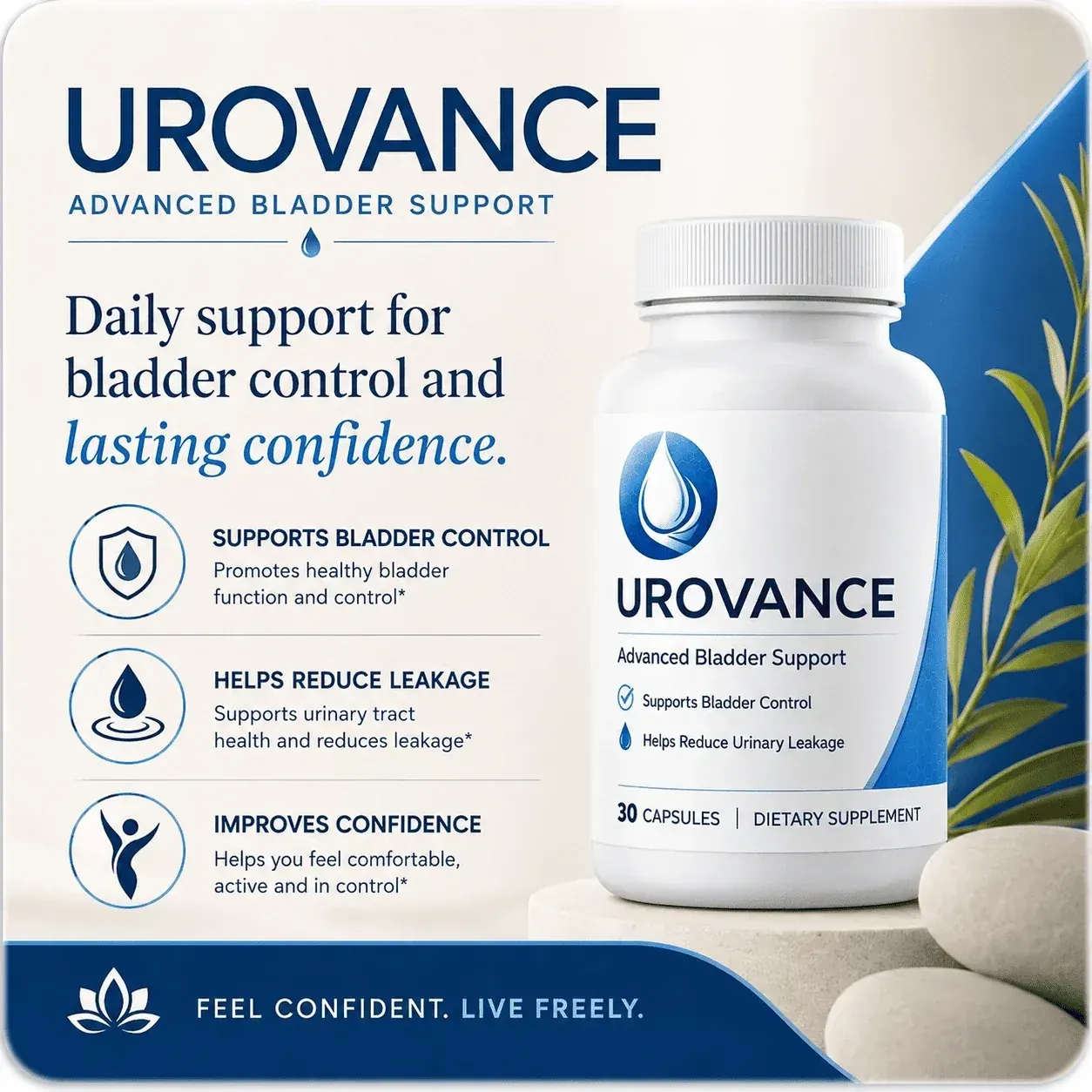
"Other ingredients" and what they tell you
Below the box sits a line most people never read. It typically lists the capsule shell and a few processing aids: vegetable magnesium stearate, silicon dioxide, rice flour, and either a veggie capsule (hypromellose) or gelatin.
Three reasons to look. If you avoid animal products, gelatin versus veggie capsule is decided here. If you have an allergy or intolerance, this is where wheat, soy, dairy or shellfish derivatives would have to be declared. And if you are curious how much genuine active material is in a capsule, a long list of fillers relative to a small blend total is a hint.
Flow agents themselves are not a red flag. Magnesium stearate and silicon dioxide exist in tiny quantities to stop powder sticking to machinery, and the internet's periodic panic about them is not matched by evidence of harm at these amounts.
Seals, certifications and what they do not prove
Bottles carry a lot of badges, and it is worth knowing which claim what.
"Manufactured in a GMP-certified facility" refers to good manufacturing practice at the facility level — the processes, records and hygiene. It says nothing about whether the formula works. "Made in the USA" is a manufacturing-origin claim, not a quality or efficacy claim, and the raw botanicals themselves are frequently imported regardless. "Non-GMO" concerns the source material. "FDA registered facility" means the facility is registered, which is a requirement, not an endorsement — the agency does not approve dietary supplements before sale.
The badge that actually adds information is independent third-party testing for identity, potency and contaminants. It is less common than the decorative seals, and where it exists it is usually stated explicitly with the name of the testing organisation. Its absence is not proof of a problem; its presence is genuine evidence of extra diligence.
Red flags worth walking away from
A handful of things on a label or its sales page should end the conversation. Any claim to treat, cure, prevent or reverse a disease is not permitted for a dietary supplement and signals a seller who is not following the rules. A refusal to publish the supplement facts panel before purchase is a straightforward no. So is a panel with no serving size, no blend total, or amounts that appear only as percentages of a "proprietary matrix".
Two softer flags: an ingredient count so long that arithmetic makes the amounts implausible, and a formula that has changed its name but kept the same panel. Neither is fatal, but both deserve a second look before you commit to three months of daily use. If you are also weighing formats, our comparison of gummies against capsules covers how format changes what a panel can physically carry.
What even a perfect label cannot tell you
This is the limit, stated plainly. A panel tells you what is claimed to be in the bottle. It does not tell you that the finished product has been tested in people — and the overwhelming majority of multi-ingredient supplements in this category never have been. Ingredients can carry evidence while the specific combination in front of you carries none.
A label also cannot tell you how you personally will respond, cannot promise consistency between batches unless third-party testing backs it, and cannot substitute for a diagnosis. The strongest ingredient here, beta-sitosterol, improved symptom scores and flow in pooled trial data without changing the size of the prostate at all — a useful reminder that "support" is the accurate word and anything stronger is marketing.
And no supplement of any composition diagnoses, treats, cures or prevents disease. Blood in the urine, pain, fever with urinary symptoms, or a sudden inability to urinate are reasons to contact a doctor the same day, not reasons to read another panel.
Medical note: this article is general information, not medical advice. Always read the label on your own product and speak to a healthcare professional before starting any supplement, especially alongside prescription medication.
Frequently asked questions
What does a proprietary blend mean on a prostate supplement label?
It means you are told the total weight of the blend and the names inside it, listed in descending order by weight, but not the amount of each individual ingredient. It is legal and common. The practical consequence is that you cannot check any single ingredient against the amount used in a published trial, so you have to judge the blend by its total weight and by which names appear first.
What does a 10:1 extract mean on an ingredient list?
It is a concentration ratio: roughly ten parts of raw plant material were used to produce one part of finished extract. A 10:1 extract is therefore more concentrated than a 4:1 extract of the same herb, weight for weight. It does not tell you how much of any specific active compound is present, which is why a percentage standardisation such as 50 percent polyphenols is a more informative label than a ratio alone.
Which prostate supplement ingredients have the best evidence?
Beta-sitosterol and plant sterol complexes have the most consistent human data, with pooled trial analyses finding improvements in urinary symptom scores and flow without any change in prostate size. Pygeum africanum has modest support from older, smaller studies. Saw palmetto is mixed and failed to beat placebo in the largest controlled trials. Mushroom blends, burdock, cat's claw and cayenne have little to no human data for this use.
Does the plant part listed on the label matter?
Yes, and it is one of the most overlooked details. Stinging nettle is the clearest example: the symptom-score data comes mainly from nettle root preparations, while many labels list nettle leaf, which is a different material with a different composition. Whenever a panel names a plant part in brackets, check it against the part that was actually studied.
Scientific references
- NIH Office of Dietary Supplements — Dietary Supplements: What You Need to Know
- NIH NCCIH — Using Dietary Supplements Wisely
- Wilt T. et al. — Beta-sitosterol for benign prostatic hyperplasia: a systematic review, BJU International (1999; 4 trials, 519 men)
- Wilt T. et al. — Pygeum africanum for benign prostatic hyperplasia (Cochrane review, 18 trials, 1,562 men)
- Harvard T.H. Chan School of Public Health — The Nutrition Source: Selenium
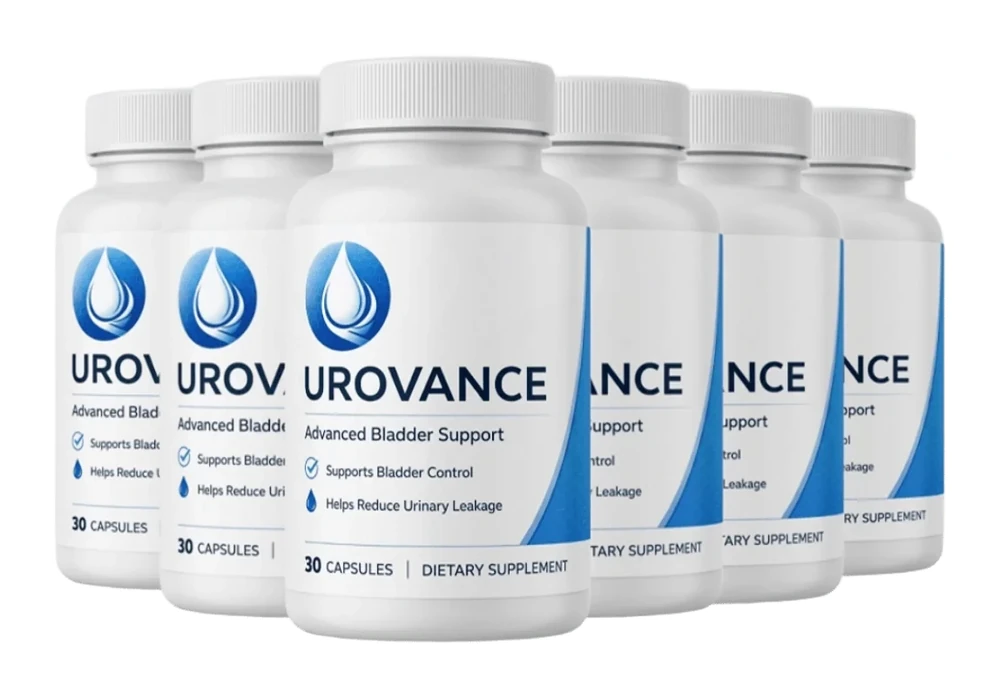
Apply the checklist to a published panel
Urovance lists every botanical, its plant part and its extract ratio. Read our ingredient-by-ingredient breakdown of the formula, then check where to buy prostate supplements that publish the same detail.
Check the Official Offer