Prostate Supplement Gummies vs Capsules: Which Format Actually Wins?
Quick Answer: Are Prostate Supplement Gummies Better Than Capsules?
For most men, capsules win on substance and gummies win on habit. A capsule is essentially a shell wrapped around the blend itself, so nearly all of its weight can be active material; a gummy is mostly gelling agent, sweetener and water, which leaves far less room for botanical extract. The honest way to decide is to put the two labels side by side, compare milligrams per serving rather than marketing language, and then ask which one you will genuinely take every morning.
- Dose capacity: capsules carry substantially more active material per serving.
- Adherence: gummies are easier to take daily, which matters more than people admit.
- Hidden cost: gummies add sugar or sugar alcohols and usually need two or three per serving.
Why the format question matters more than it looks
Format looks like a preference question — chewy or swallowable, sweet or tasteless. It is really a chemistry and economics question, and it quietly decides how much of the thing you are paying for actually reaches you. Every delivery format has a fixed budget of space and weight per serving, and every gram spent on making something pleasant is a gram not spent on the extract.
That trade-off has become far more visible in the last few years because prostate supplement gummies have moved from a novelty to a shelf staple. Men who have spent decades avoiding pills will happily chew something that tastes like a berry sweet, and manufacturers know it. The result is a category where the tastiest products are frequently the thinnest ones, and where two bottles that appear to promise the same thing can differ by an order of magnitude in what they actually contain.
None of this makes gummies dishonest. It makes them a different tool. The mistake is assuming the two formats are interchangeable because the front label says the same three words. The same trap catches men comparing rival brands rather than rival formats, which is why we set out a neutral method in comparing UroVerve, Primal 5 and other prostate blends.
What actually fits inside a prostate supplement gummy
Start with the physical reality. A typical gummy weighs a few grams, and most of that weight is structural: pectin or gelatin to make it set, a sweetener system, water, a food acid such as citric acid for tartness, colour and flavour. What remains for actives is a small slice of the total, and that slice also has to taste acceptable.
This is why gummy formulas in this category tend to lean on ingredients that are potent in small amounts and behave themselves in a gel: zinc, vitamin B6, vitamin E, selenium, lycopene from tomato, sometimes a modest pumpkin seed or nettle extract. These are legitimate ingredients. They are also the ingredients that happen to be easy.
The awkward ones are the botanicals that carry most of the human research. Saw palmetto is usually supplied as an oily lipidosterolic extract, and oil in a water-based gel is a formulator's headache — it can separate, bleed to the surface or oxidise faster than a dry powder would. Pygeum and plant sterol complexes are similarly bulky. Fitting a research-relevant amount of any of them into a chewable sweet without wrecking the texture is difficult, so it frequently does not happen.
If a gummy and a capsule both list saw palmetto, the useful question is not whether it is in there. It is how many milligrams, and whether that number resembles anything used in a published trial.
Capsules: more room, less pleasant
A capsule has the opposite profile. There is no confection to build, so the shell — usually a vegetarian cellulose capsule or gelatin — is a thin container, and almost everything inside it is either the blend or a small amount of flow agent such as rice flour, silicon dioxide or magnesium stearate. That is why capsule labels in this category routinely show blends in the hundreds of milligrams while gummy labels show double-digit numbers.
Capsules also handle oils and strong-tasting extracts without complaint. Nobody has to make pygeum bark palatable if it never touches the tongue. And a sealed capsule protects light-sensitive and oxygen-sensitive material better than a chewy matrix with a large surface area.
The costs are real, though. Some men genuinely struggle to swallow capsules. Capsules give you no sensory feedback, which sounds trivial until you are three weeks in and cannot remember whether you took today's. And a capsule taken on an empty stomach can cause more queasiness for some people than a gummy chewed with breakfast.
Comparing capsule formulas?
If you are trying to work out where to buy prostate supplements that publish a full ingredient panel rather than a vague front label, start with the label itself — then decide.
See the Official OfferAbsorption: does one format really beat the other?
Gummy marketing often implies superior absorption because chewing begins digestion in the mouth. There is a grain of truth in it — mechanical breakdown starts sooner — but the size of the effect is small for these ingredients, and the evidence that it translates into a meaningful difference in blood levels of saw palmetto sterols or plant sterols is not there.
Meanwhile, a conventional capsule shell dissolves in stomach fluid in a matter of minutes and releases its contents into the same environment. For fat-soluble components, what matters far more is whether you took the dose with food containing some fat, which is a habit question rather than a format question.
So the fair summary is this: absorption differences between formats exist but are modest and poorly quantified for this ingredient class, while dose differences between formats are large and printed right there on the panel. Compare the number you can see.
Sugar, sweeteners and taking something every day for months
A supplement in this category is not a two-week course. Trials of the underlying botanicals typically run twelve weeks or longer, so realistic use means months of daily servings. That turns the sweetener question from trivial into worth-checking.
Sugar-sweetened gummies add a small amount of added sugar per serving, and servings are often two or three gummies rather than one. Sugar-free versions swap in sugar alcohols such as maltitol, sorbitol or xylitol, which avoid the sugar but can cause bloating, wind or a laxative effect in sensitive people at higher intakes. Neither is dramatic. Both are worth knowing about before you commit to a daily habit, especially if you are already watching carbohydrate intake or managing digestive sensitivity.
Capsules sidestep this entirely. There is nothing to sweeten, so there is nothing to react to — which is one of the less glamorous but more practical arguments in their favour.
Format comparison at a glance
| Factor | Gummies | Capsules |
|---|---|---|
| Active material per serving | Low — confection base takes most of the weight | High — shell is a thin container only |
| Oily extracts (saw palmetto, pygeum) | Difficult; often reduced or omitted | Straightforward |
| Sweetener load | Added sugar or sugar alcohols, every day | None |
| Servings per day | Often two or three gummies | Commonly one capsule |
| Heat and humidity stability | Poorer — can melt, stick or clump | Better in a cool, dry place |
| Ease of daily use | Excellent — the main advantage | Harder for pill-avoidant users |
| Cost per active milligram | Generally higher | Generally lower |
Stability, storage and dose accuracy
Gummies are food, and they behave like food. Leave a bottle in a hot car or a steamy bathroom and they soften, fuse into a block or develop sugar bloom on the surface. Beyond the nuisance, a fused clump makes it hard to know whether you took two gummies or two and a half, which quietly undermines the dose you thought you were getting.
There is a second, subtler point. Because some vitamins degrade in a moist, warm gel over a long shelf life, some gummy manufacturers deliberately overage — they add more than the label claims at manufacture so the product still meets its claim at expiry. That is a legitimate industry practice, but it does mean the number on the panel is a floor rather than a precise measurement, and it varies by manufacturer.
Capsules in a sealed bottle with a desiccant are simply less eventful. Stored in a cool, dry place away from the bathroom, a dry powder blend holds its potency more predictably across a bottle's life.
How to compare cost fairly between the two
Never compare bottle to bottle. Compare per active milligram, per day. Doing that properly means reading the supplement facts panel rather than the front label, which is the exact drill in our prostate supplement label reading checklist.
Work it through in four steps. First, find the serving size — one capsule, or two or three gummies. Second, read the total milligrams of the blend or of each named botanical per serving. Third, divide the bottle into days: sixty gummies at three per serving is twenty days, not sixty. Fourth, only then look at what a month costs. Men who skip step three routinely conclude that a gummy is the cheaper option when it is supplying a third of the servings and a fraction of the actives.
This is also the honest answer to the perennial question of whether prostate supplements are worth it. The answer depends almost entirely on what is in the bottle and at what amount, not on which shelf it came from. If you want a practical walkthrough of that arithmetic on a real panel, our guide to timing, food and dosing covers how serving size interacts with everyday routine.
What neither format can do
This is where honesty has to beat enthusiasm. Changing the shape of a supplement does not change what the ingredients can do, and the ingredients themselves have limits that no delivery system improves.
The evidence for this ingredient class is genuinely mixed. Beta-sitosterol and plant sterols have the more consistent supportive data for urinary symptom scores and flow. Saw palmetto looked promising in early trials and then failed to beat placebo in the largest, best-controlled studies. Pygeum has modest, older, small-study support. Several ingredients that appear on these labels — mushroom extracts, burdock, cayenne, cat's claw — have little to no human trial data for prostate or urinary outcomes at all.
More importantly, no dietary supplement in any format diagnoses, treats, cures or prevents an enlarged prostate or any other condition. Urinary symptoms deserve a clinician's assessment, because some of them point to things that need proper medical care rather than a supplement. If you have a weak or interrupted stream, straining, blood in the urine, pain, fever, or you suddenly cannot urinate, that is a call to a doctor today, not a shopping decision.
Medical note: this article is general information, not medical advice. Speak to a healthcare professional before starting any supplement, particularly if you take prescription medication — saw palmetto may affect bleeding and can interact with blood thinners and hormone-related drugs.
Frequently asked questions
Are prostate supplement gummies as good as capsules?
Usually not, on dose. A gummy is mostly a confection base of gelling agent, sweetener, water and acid, so only a small fraction of its weight can be active botanical extract. A capsule is almost entirely filled with the blend itself. If you compare the two labels side by side and the gummy carries a fraction of the milligrams, the capsule is delivering more of what you are buying it for.
Why do most prostate supplement gummies leave out saw palmetto?
Saw palmetto is usually supplied as an oily lipidosterolic extract, and oils do not sit comfortably in a water-based pectin or gelatin gel. They can bleed, separate or turn rancid faster. Manufacturers often solve this by using a smaller amount, a dried powder instead of the oil extract, or by leaving the ingredient out altogether and building the gummy around easier ingredients like zinc, lycopene or vitamin B6.
Do gummies absorb better than capsules?
There is no good evidence that gummies are better absorbed for these ingredients. Chewing does start breakdown earlier, but a standard capsule shell dissolves in the stomach within minutes anyway. Absorption differences between formats are far smaller than the difference in how much active material each format carries, so dose capacity is the more useful thing to compare.
Which format should I choose if I struggle to swallow pills?
A gummy or a liquid, and take the trade-off knowingly. A supplement you actually take every day is worth more than a stronger one that sits in the cupboard. If you go the gummy route, read the sugar or sugar alcohol content per serving, check how many gummies make one serving, and accept that the milligram totals will be lower than a capsule of the same blend.
Scientific references
- NIH NCCIH — Saw Palmetto: What You Need To Know
- NIH Office of Dietary Supplements — Dietary Supplements: What You Need to Know
- Wilt T. et al. — Beta-sitosterol for benign prostatic hyperplasia: a systematic review, BJU International (1999; 4 trials, 519 men)
- Mayo Clinic — Benign prostatic hyperplasia: symptoms and causes
- Harvard T.H. Chan School of Public Health — The Nutrition Source: Zinc
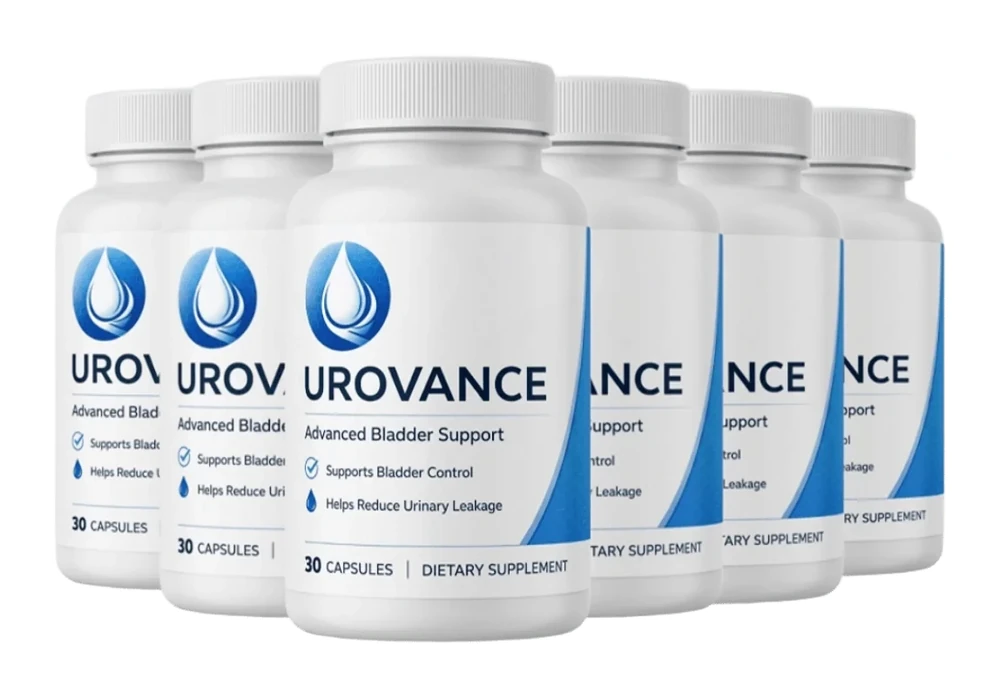
A one-a-day capsule with the full panel published
Urovance puts saw palmetto, plant sterols, pygeum, pumpkin seed and nettle into a single daily capsule. See what the Urovance formula contains, then check the current offer.
Check the Official Offer